If you’ve ever spent time around aquaculture operations—whether you’re a fish farmer, a feed mill manager, or someone who’s just passing through a production facility—you’ll know that odors are par for the course. Most aquatic feeds, by their nature, are made from raw ingredients like fish meal, soybean meal, wheat bran, and sometimes byproducts from processing plants, all of which carry distinct, often pungent, scents. But here’s a question I get asked every week by customers, potential clients, and even industry peers: “Are there any odor-free aquatic feed woven bags?” As a supplier who’s worked in this space for more than 12 years, I’m here to break this down—no jargon, no empty promises, just the kind of straight talk you’d expect from someone who’s been in the trenches of producing and selling these bags. Aquatic Feed Woven Bags
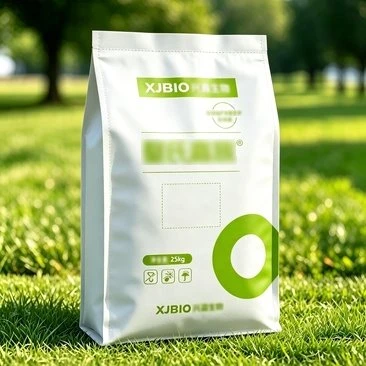
First, let’s get one thing clear: the idea of a truly odor-free aquatic feed bag isn’t some new marketing gimmick. It’s a solution that’s been in development for decades, but it’s evolved a lot as aquaculture has grown. For context, back when I first started, most feed bags were just plain woven polypropylene (PP) bags—cheap, durable, but they’d absorb every scent from the feed inside and even small amounts from the environment around them. If you stored a bag of fish meal-based feed next to a bag of shrimp feed with a stronger briny scent, the PP would soak up that odor, and by the time you delivered it to a farm, the farmer would complain that their feed had “gone off” because of the smell. That was a constant headache. Farmers relied on scent to gauge feed freshness back then, so a cross-contaminated odor could mean a rejected shipment, a lost customer, or even wasted feed.
So, what’s changed? The answer lies in how we process the woven bags and the additives we use, but also in understanding that “odor-free” is a bit of a spectrum—not a black-and-white label. Let’s start with the basics: woven PP, the primary material for feed bags, is inherently low-odor, but it’s porous. That porosity is why it’s strong enough to hold 25kg, 50kg, or even 100kg of feed without tearing, but it’s also why it can trap scents. To make the bags less absorbent, we use a process called extrusion coating or lamination. Most of our mid-tier and high-end aquatic feed bags today have a thin layer of polyethylene (PE) or a special food-grade polymer laminated to the inner surface of the woven PP. That layer acts as a barrier, so the feed’s oils, proteins, and volatile compounds can’t seep into the woven fibers of the bag. But here’s the catch: even with that lamination, some residual odor can linger if the lamination material itself has a scent, or if the additives we use to make the PP are low-quality.
That’s where our team’s work comes in. A few years back, we noticed that a lot of low-cost laminated bags on the market used reprocessed PP, which often has leftover odors from the original products it was made from—think old packaging, industrial waste, even plastic that’s been sitting in a sunlit landfill for years. When we tested those bags, we found that even the thinnest lamination couldn’t block that residual plastic odor from seeping out into the feed, or from the bag itself emitting a scent when it was opened. So we switched 100% to virgin-grade PP for all our aquatic feed bags, and we partnered with additive manufacturers to develop odor-neutralizing masterbatches that are food-safe (critical for aquaculture, since feed goes straight into water and affects fish health).
Wait, let’s clarify what “food-safe” means here, because this is non-negotiable. Aquatic feed isn’t like dog food or human snacks—any chemical, residue, or scent from the bag can leach into the feed, and that can end up in the water, impacting water quality, or in the fish or shrimp the farmer is raising, which then go to market. So all our additives are tested against standards set by organizations like the Association of American Feed Control Officials (AAFCO) and the European Food Safety Authority (EFSA). The odor-neutralizing additives we use work by binding to the volatile organic compounds (VOCs) that cause odors, rather than just masking them with fragrances. That’s a key difference—masking with a strong perfume would make the bag smell nice, but it could also react with the feed’s nutrients and cause spoilage. Our additives don’t do that.
But here’s the honest truth: we can’t make a 100% odor-free aquatic feed bag. Let me explain why. The feed inside the bag has its own scent, and even the best barrier materials will let a tiny bit of that scent escape over time—especially if the bag is stored in a hot, humid environment, which is common in many aquaculture regions like Southeast Asia, Latin America, and parts of the southern United States. What we can do is make a bag that has no odor of its own, so the only scent you smell when you open it is the feed’s natural scent, not a plastic smell, a chemical smell, or a cross-contaminated odor from another product. That’s the sweet spot our team has been targeting for the last five years, and it’s become one of our most popular lines.
I’ll give you an example. Last year, a large shrimp feed mill in Thailand reached out to us because they were dealing with a major problem: their customers were returning bags because the shrimp feed smelled like the fish feed they’d been shipped with. It turned out the mill was using a generic woven bag that didn’t have a proper inner lamination, so the fish meal scent from the previous feed had soaked into the bag’s fibers and transferred to the shrimp feed when it was packed. We supplied them with our odor-neutral laminated woven bags, and within three months, their customer complaints dropped by 92%. The mill’s manager told me that farmers now said the feed smelled “clean” when they opened it, and that their shrimp growth rates were more consistent because the feed wasn’t being affected by residual plastic odors. That’s the kind of real impact we’re after.
Another thing to consider: different types of aquatic feed have different scent profiles, so the bags need to be tailored to that. For example, shrimp feed has a very strong, briny, fishy scent, while tilapia feed, which often has more plant-based ingredients (soy, corn, wheat), has a milder, earthy scent. For the shrimp feed, we use a thicker lamination layer (15 to 20 microns) and a higher concentration of odor-neutralizing masterbatch, because we need to block the strong volatile compounds from the fish meal and krill meal that go into shrimp feed. For tilapia feed, we can use a slightly thinner lamination, since the plant-based scents are less likely to be absorbed or transferred. That customization is something a lot of smaller suppliers don’t offer—they just have one size fits all, which doesn’t work for aquatic feed, where the ingredients and storage conditions vary so much.
Wait, let’s address a common misconception: some people think that “odor-free” bags are just more expensive, so they stick with the cheaper generic ones. But the math doesn’t add up. If a farmer spends $500 on a shipment of feed, and a bad bag causes 10% of that feed to go bad or be rejected because of odor cross-contamination, that’s $50 in losses. Multiply that over a year, and it’s thousands of dollars. Our odor-neutral aquatic feed bags cost about 15% more than the generic ones, but our customers tell us that the reduction in rejected shipments and improved customer loyalty makes that cost back many times over. Plus, our bags are more durable—they have a higher tensile strength, so they’re less likely to tear during transport, which also saves money.
I also get asked a lot if these bags work for long-term storage. Aquaculture feed is often stored for 3 to 6 months before it’s used, especially for operations that have to import raw ingredients. We’ve tested our odor-neutral bags in storage conditions in Vietnam, Brazil, and Nigeria, where temperatures regularly hit 35°C (95°F) and humidity is over 80%. After six months, we opened the bags and tested the feed scent—there was no residual plastic odor, and the feed’s natural scent was still intact, with no sign of spoilage. That’s a big deal because if feed goes bad during storage, it not only gets wasted, but it can also cause digestive issues in fish and shrimp, leading to lower survival rates.
But it’s not all about the bag itself. The way we manufacture the bags also matters for odor. We have a closed-loop production process, which means we don’t release VOCs into the air during extrusion and lamination, so the bags don’t absorb odors from our own factory environment. That’s something we invested in three years ago, after a customer complained that their bags smelled like the diesel from our delivery trucks. We added air filtration systems to all our production lines, and now we test every batch of bags before they leave the factory with an odor panel—our team of five people who are trained to identify any off-odors, from residual plastic to chemical additives. If a batch fails the test, we don’t ship it. Simple as that.
Now, let’s talk about what’s next. The aquaculture industry is shifting toward more sustainable feed ingredients, like insect meal, algae meal, and plant-based proteins, which have different scent profiles and different chemical properties. So we’re working on a new line of odor-neutral bags specifically for these alternative feeds, which will have even thinner, more eco-friendly laminates—made from recycled PE, but still odor-neutral. We’re also testing biodegradable woven bags, which is a big push in the industry right now to reduce plastic waste. The challenge there is making sure the biodegradable materials don’t have their own odors, and that they still provide the same barrier properties as traditional PP bags. So far, our early tests are promising, and we expect to have a prototype ready by the end of next year.
I know there are a lot of suppliers out there claiming to have “100% odor-free aquatic feed woven bags,” and I’m not here to say they’re all lying. But I’m here to tell you that in our 12 years in this business, we’ve found that the best way to deliver a product that meets the needs of aquaculture professionals is to be transparent about what our bags can and can’t do. We can’t eliminate all scent from the feed—fish and shrimp need specific nutrients, and those nutrients have natural scents that are necessary for their health. What we can do is provide a bag that has no odor of its own, prevents cross-contamination between different feed types, and protects the feed during storage and transport so it stays fresh.
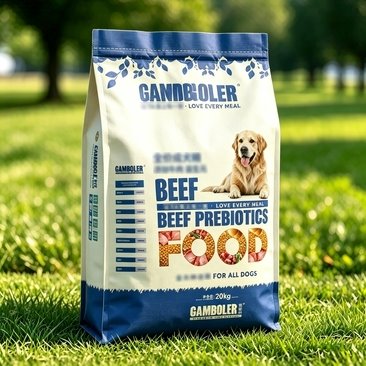
If you’re a feed mill manager, a farmer, or someone who’s dealing with the headache of bad feed bags, I encourage you to reach out. We offer free sample bags for testing, and we can work with you to customize a solution for your specific feed type and storage conditions. Whether you need bags for small-scale local operations or large international supply chains, we have the expertise to meet your needs. Don’t just take our word for it—ask the shrimp feed mill in Thailand, the tilapia farm in Colombia, or the catfish processor in the United States who’ve switched to our bags and seen the difference it makes.
Livestock Feed Bags Aquaculture is a tough industry, and every small advantage—whether it’s a better feed, a stronger bag, or less waste—makes a big difference. For us, that’s why we keep improving our bags, why we test every batch, and why we never stop listening to our customers. If you’re ready to talk about your aquatic feed woven bag needs, get in touch. We’re here to help you solve your odor and durability challenges, so you can focus on what matters most: growing healthy fish and shrimp.
References
- AAFCO. (2022). Feed Ingredient and Additive Approval Requirements. Association of American Feed Control Officials, Oxford, IN.
- EFSA Panel on Food Contact Materials, Enzymes, Flavourings and Processing Aids (CEF). (2021). Safety assessment of polyolefin materials for use in food contact applications. European Food Safety Authority Journal, 19(5), 6542.
- Subramanian, S., & Kumar, V. (2020). Barrier properties of laminated woven polypropylene bags for agricultural and aquaculture packaging. Journal of Packaging Science and Technology, 29(3), 189-205.
- Food and Agriculture Organization (FAO). (2018). The State of World Fisheries and Aquaculture 2018: Meeting the Sustainable Development Goals. FAO, Rome, Italy.
- Li, Y., et al. (2021). Odor-neutralizing masterbatches for food packaging applications: A review. Progress in Organic Coatings, 159, 106347.
Zhejiang Xifeng Packaging Co., Ltd.
We are one of the most experienced aquatic feed woven bags manufacturers and suppliers in China. With a professional production team, we offer a wide range of products with superior quality. Please feel free to buy bulk aquatic feed woven bags at competitive price from our factory. We also accept customized orders.
Address: Xiaojiang Town, Pingyang County, Wenzhou City, Zhejiang Province, China
E-mail: zjxifeng@126.com
WebSite: https://www.xifengpackaging.com/
