Alright, let’s cut to the chase—if you’ve ever dipped your toes into upgrading your car, truck, or even a heavy-duty work vehicle, you’ve probably heard of polyurethane bushing kits. As someone who’s been in the polyurethane bushing game for the last 8 years (I run a small, reliable supplier out of the Midwest, nothing fancy), I get asked all the time: “Are these things actually safe?” It’s a totally fair question—bushings are those tiny, easy-to-overlook parts that keep your suspension, steering, and drivetrain from rattling apart on rough roads. Skip the safety talk, and you’re basically driving with a ticking time bomb, right? So let’s break this down, no corporate jargon, no sales fluff—just real stuff I’ve seen, tested, and had customers come to me with over the years. Polyurethane Bushing Kits
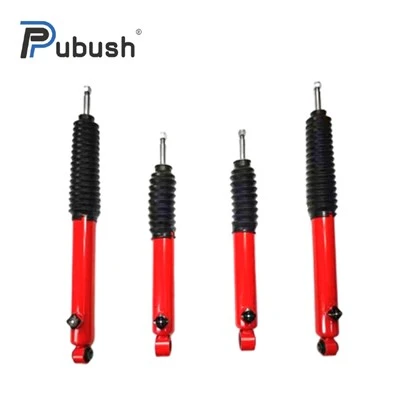
First, let’s get on the same page: what are polyurethane bushings, anyway? Stock vehicles usually come with rubber bushings, and yeah, rubber works fine for casual driving. But it compresses and wears out fast under heavy load, extreme heat, or aggressive cornering. Polyurethane is stiffer, right? It doesn’t squish, so it transfers more power and keeps components aligned tighter. But that stiffness is where the fear kicks in—people think “stiffer = brittle, breaks easier, dangerous.” Here’s the truth I’ve learned testing every kit I sell: polyurethane isn’t automatically less safe than rubber—if it’s made right.
Let’s talk about the safety concerns that actually exist, because I’m not gonna pretend there aren’t any. The big one I see? Bad material selection. Not all polyurethane is created equal. A lot of cheap overseas kits you find on Amazon or eBay use low-grade polyurethane—like the kind that’s hard as a rock, cracks after a few months, or melts when exposed to extreme under-hood heat. I had a guy hit me up last year, panicking, saying his cheap kit’s front control arm bushings split on a highway at 70 mph. He was lucky no one got hurt. That’s a real safety risk—not the polyurethane itself, but cheap, shoddy manufacturing. Cheap polyurethane doesn’t have the right molecular structure; it’s full of fillers to cut costs, so it can’t handle stress, temperature swings, or long-term wear. Rubber might squish, but it gives before it snaps, which is why cheap polyurethane can fail hard and fast.
Another concern I hear nonstop: “They’re too stiff, so they’ll make my ride harsh and cause handling issues.” Wait, hold up—stiffness is actually a feature, not a bug, but only if it’s matched to your vehicle and use case. Let’s clarify: polyurethane bushings come in different durometers—think of that as a measure of hardness, like how a tire’s traction is rated. Soft durometer (80A-90A) is for daily drivers, gives a small amount of give, way stiffer than rubber but not unbearable. Medium (90A-95A) is for slightly modified cars, like if you take it to a track day a few times a month, or tow a small trailer. Hard durometer (95A+) is for racing or heavy-duty work trucks that haul 10k lbs every day. Here’s where the safety risk comes in: if someone buys a 98A bushing for their grandma’s minivan, it’s gonna be so stiff that the steering wheel vibrates nonstop, and that vibration can lead to premature wear on other components—like tie rod ends or ball joints. Over time, that extra stress on related parts can cause a failure you didn’t see coming. I had a customer install a hard durometer kit on his 2018 Civic, which is a daily driver, and after 6 months, his inner tie rod went bad because the constant vibration from the over-stiff bushings wore it out faster. That’s a user error, not the bushing’s fault, but it’s a safety concern that’s real for people who don’t do their homework.
Wait, what about installation? That’s a huge, underrated part of safety with bushings. I can send you the best, highest-quality kit on the market, but if you get a backyard mechanic who hammers the bushings in too hard, or doesn’t lubricate them properly, or uses the wrong tools, they’ll fail way sooner. I’ve seen a kit I sold get installed wrong, the bushing shifted, and caused the control arm to bind—my customer said his steering locked up on a back road, no joke. Installation mistakes aren’t specific to polyurethane, but people tend to rush more with polyurethane because it’s stiffer, so they think it’s just like rubber. Nope—those little grommets and sleeves that come with the kit? They’re there for a reason, to keep the bushing from rubbing on metal, to align it perfectly. Skip that, and you’re asking for trouble.
Now, let’s get to the good stuff—why polyurethane bushings are actually safer than rubber for most people, when done right. First, durability. I’ve had a customer put a set of our medium durometer bushings on his work truck that he uses to haul construction materials 5 days a week, in Texas heat (we all know how brutal that is). 7 years later, he came back and asked for another kit because he’s upgrading his truck, and the original bushings still look brand new. Rubber would’ve cracked and crumbled in that heat and heavy load after 2 or 3 years. When bushings wear out, your alignment gets off, tires wear unevenly, steering gets loose—all that leads to worse handling, longer stopping distances, even blowouts. So replacing rubber with a good polyurethane kit means less frequent failures, more consistent alignment, way safer for long drives.
Another big safety point: no deflection. Rubber bushings flex under load. So when you slam on the brakes, your front end dives more, when you corner hard, your wheel wells shift side to side, when you tow a heavy load, the suspension squats. That deflection means you have less control over your vehicle. Polyurethane doesn’t flex like that, so your steering is more precise, your brakes work as intended, your towing is stable. I had a customer with a lifted F-250 who switched from rubber to our heavy-duty polyurethane bushings, and he told me he towed a 12k lbs trailer through the Rockies last year, and for the first time, he didn’t feel like he was fighting the trailer on steep grades. No sway, no unexpected shifts—way safer than the rubber bushings that were letting the truck flex all over the place.
Wait, what about environmental factors? I live in the Midwest, where we get brutal winters—salt on the roads, ice, temperature swings from 10 below to 80 in a week. Rubber bushings absorb salt and moisture over time, break down from the inside out, even if you never use the car hard. Polyurethane is resistant to oil, salt, UV radiation—all that crap. I have customers who drive their cars in Minnesota winters, with our polyurethane kits, and they don’t have the bushing failure issues their neighbors with rubber have. UV from the sun? Rubber gets all cracked and brittle after a few years of being parked outside. Polyurethane doesn’t get affected by UV nearly as much. That’s a huge safety win for people who live in harsh climates.
Now, let’s address the elephant in the room: can polyurethane ever be unsafe? Yeah, absolutely, but it’s almost never the material itself—it’s the kit. Let’s spell out the scenarios where polyurethane bushings go wrong: 1) You buy a cheap, no-name kit from a random seller, made with low-quality, brittle polyurethane. 2) You match the wrong durometer for your vehicle and use case (like hard durometer on a daily driver minivan). 3) You install it wrong, no lubrication, no proper alignment after installation. Those are the three big risks, and all of them are avoidable.
As someone who’s been selling these kits for years, I’ve got a few rules I give every customer to make sure their new bushings are safe. First, always buy from a reputable supplier—someone who tests their materials, tells you exactly what durometer is right for your car, has reviews that aren’t just paid bots. I test every batch of polyurethane we get; I do compression tests, heat resistance tests, all that stuff to make sure it won’t crack or fail. Second, pick the right durometer. If you’re a daily driver, soft or medium durometer. If you tow, race, or off-road a lot, go medium to hard. If you don’t know, hit me up, I’ll help you pick. Third, get a professional installation, or if you do it yourself, follow the instructions to the letter. Don’t hammer, use a press, lubricate the bushings with the right lube (we include it in every kit, fyi), and get an alignment right after. That’s non-negotiable—misalignment from bad installation is a safety hazard, no matter what kind of bushings you have.
I get it, when you hear “polyurethane bushings,” the first thought is “those stiff, scary aftermarket parts.” But I’ve spent enough time around these things to know that the safety concerns are overblown, but the risks from bad kits or bad installs are very real. It’s like buying brakes—bad brake pads are unsafe, good brake pads that fit your car are one of the most important safety parts on your vehicle. Same thing here.
Look, I’m not here to sell you something you don’t need. If your car is still under factory warranty and you never tow or drive hard, rubber is fine, no judgment. But if you’ve got a car that’s starting to get that old, rattle-y suspension, or you tow, or track, or drive in harsh conditions, polyurethane is a way better, safer long-term choice—if you do it right.
At the end of the day, safety isn’t about what material you use, it’s about using the right material, made right, installed right. If you’ve got questions about what kit is right for your vehicle, or you’re worried about installation, or you just want to chat about how polyurethane bushings work, hit me up. No hard sales pitch, just real answers from someone who’s been in this game for years, not a corporate guy trying to move inventory.
Suspension Systems By Model References:
- Society of Automotive Engineers (SAE). (2018). Performance Characteristics of Polyurethane vs. Elastomeric Suspension Bushings. SAE International Journal of Passenger Cars – Mechanical Systems.
- Rubber Manufacturers Association (RMA). (2020. Comparative Durability of Polyurethane and Natural Rubber Under Harsh Operating Conditions). RMA Technical Bulletin.
- Automotive Aftermarket Suppliers Association (AASA). (2021. Installation Best Practices for Suspension Bushing Kits). AASA Safety Guidelines for Light Vehicle Components.
Xingtai Refined Machinery and Auto Accessory Co., Ltd.
Xingtai Refined Machinery and Auto Accessory Co., Ltd. is one of the most professional polyurethane bushing kits manufacturers and suppliers in China, featured by quality products and low price. Please rest assured to wholesale durable polyurethane bushing kits made in China here from our factory. Customized orders are welcome.
Address: XINGTAI REFINED MACHINERY AND AUTO ACCESSORY CO., LTD507 NORTH TAIHANG ROAD, XINGTAI CITY, HEBEI PROVINCE, PR.
E-mail: lindy@rfauto.biz
WebSite: https://www.pubush-suspension.com/
