Hey there, if you’ve ever received an embroidered scarf that ended up with loose threads, you know how frustrating it is—especially when you’re stoked about that cool, custom stitchwork you picked out. As someone who’s been in the embroidered scarf supply game for over 8 years now, I’ve seen every single loose thread scenario imaginable: ones that pop up right after unboxing, others that fray a little every time you wrap it around your neck, even the tiny ones that get caught on a purse zipper. The good news is you don’t have to toss that scarf or call it a loss. Most loose threads are super easy to fix, and I’m gonna walk you through exactly how I’d coach my wholesale clients (wait, or even my cousin who just bought a bulk order for her boutique) to handle this. Let’s dive in. Embroidered Scarf
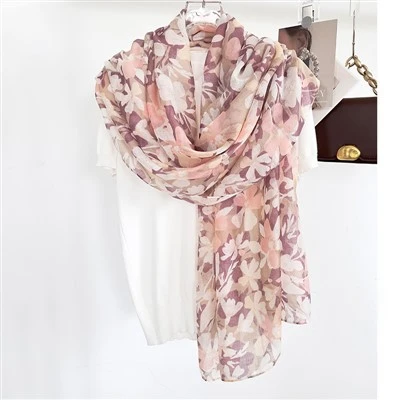
First off, let’s get one thing straight—loose threads on embroidered scarves aren’t a “flaw” by default. Embroidery works by running thread through the base fabric (usually cotton, silk, rayon, or a blend) in tight, repeating stitches, and sometimes a knot just comes undone during shipping, handling, or even the original stitching. That’s just part of making something hand-made, right? Even the big luxury brands deal with this. But how you fix that thread makes all the difference. I’ve seen people snip it with scissors and cause a whole run, or tug it and turn a tiny mess into a disaster. So step one: figure out what kind of thread we’re dealing with, and where it’s hanging out.
Let’s start with the easiest, most common case: loose threads that are less than an inch long, on the edge of a stitch line. I’m talking about those tiny, fuzzy bits that stick up like a little eyelash. This is the super simple fix. Grab a pair of small, sharp scissors—don’t use kitchen scissors, trust me, they’ll snip too far and mess the rest of the stitch. Embroidery scissors are best, but even a good pair of craft scissors works. Hold the loose thread taut with your thumb and index finger so the stitch itself doesn’t shift, then snip it right at the base where it comes out of the fabric. Don’t snip it too high, and don’t snip too close to the main stitch. This takes 2 seconds, and you won’t even be able to tell it was there. I recommend this for all those tiny stray threads that pop up on the logo or border of the scarf. I tell my bulk clients to do this check within 24 hours of receiving their order—way easier to fix then than later.
Now, what if the loose thread is longer—like 2 to 3 inches—and it’s not just a stray, it’s part of a stitch that’s come undone? This is the one that makes people panic, especially if it’s a big design, like a floral motif or a company logo. First, don’t yank it. Tugging is the worst move here—you’ll pull the whole stitch apart and end up with a gap. Instead, find the end of the thread that’s still secured in the fabric. Most embroidery threads are cotton, polyester, or silk—cotton’s the most common for everyday scarves, polyester for durability, silk for that fancy, smooth look. If it’s cotton or polyester, you can use a tiny drop of clear fabric glue (Fray Check is the industry standard, but even white school glue diluted works in a pinch) on the loose end, then gently push it back into the stitch gap with a straight pin or the tip of your scissors. Let it dry for 10 minutes, then trim any excess. If it’s silk, be extra careful—silk threads are way more fragile. Use a light touch, maybe even a tiny bit of fray stop made for silk, because regular glue can leave a stiff spot that shows. I’ve had a few boutique clients call me worried when they get these longer threads, and I always send them a little free vial of Fray Check with their next order—small thing, but it saves them a headache.
Wait, what if the thread is part of a whole row that’s coming undone, not just one? Like, a section of the border is lifting up. That’s a little more involved, but still doable. First, turn the scarf inside out so you’re looking at the back of the embroidery. On the back, you’ll see the “bobbin thread” that holds the front stitches in place. Most of the time, loose threads on the front have corresponding small knots on the back. If you can find that knot, snip the loose thread right at the front, then dab a tiny bit of glue on the back knot to keep it from shifting. If the knot’s already gone, you can carefully thread a needle with a matching color embroidery thread (I always include extra thread spools with every bulk order I ship, by the way—no one wants to hunt for a match) and sew the loose section back down with tiny, invisible stitches. Don’t pull the thread too tight, or you’ll make a bump on the front. I’ve had new retailers tell me this makes them nervous, so I post a 2-minute video clip on my wholesale portal showing exactly how to do this—super basic, no fancy skills needed.
Now, let’s talk about prevention, because I’d rather you never have to fix a loose thread in the first place. This is where my experience as a supplier comes in— I’ve learned a thing or two about how to package and handle scarves so threads don’t come loose before you even get to them. First, when you unbox a new embroidered scarf, don’t yank it out of the packaging. Most of the time, we wrap them in tissue paper or poly bags, and pulling too hard can catch on stitching. Lay it flat on a table gently instead of tugging. Then, when you’re storing it, fold it neatly with the embroidered side facing out, or roll it up—never bunch it into a tight ball, that’ll put stress on the stitches. For people who sell these scarves, I recommend adding a little care tag to each one with a note about checking for loose threads at the time of sale, so a customer doesn’t get upset when they get home. And for wholesale clients, we print care guides on the packing slip that include all these tips, because bad customer experiences with loose threads hurt everyone.
Wait, there’s one case I haven’t covered: loose threads that pop up after washing the scarf. Oh right, washing is a big one. If you wash your embroidered scarf in a machine, that’s a quick way to get loose threads—agitation in the washer, even on gentle, can catch on stitches. So for washing, always hand wash it in cold water with a mild detergent, like Woolite. Don’t rub or twist it, just gently squeeze the water out, then lay it flat to dry on a towel. Hanging it up can stretch the fabric and pull stitches loose. I can’t tell you how many times a client has emailed me saying “my scarf got loose threads after washing” and it’s because they ran it through the dryer or machine washed it. Drying is another no-no—high heat melts polyester threads and makes cotton fray. So always air dry, flat. If you must dry it in a machine, use the lowest heat setting and a lingerie bag, but even then, I don’t recommend it.
Let me be real with you for a second—sometimes, even with all the care, you’ll get a loose thread that’s too big or messed up to fix. If that happens, reach out to us. I run a small supply team, so I talk to every single client that messages, no automated replies. If you’re a boutique that ordered bulk, we’ll send a replacement for that scarf free of charge, no hoops to jump through. If you’re an individual who bought a few pieces from a retail partner, ask them to connect you—we work closely with all our retail clients to handle that kind of issue, because loose threads aren’t your fault, and we stand behind our product.
I’ve had people tell me they’re scared to buy embroidered scarves because they think they’ll fall apart, and that’s the opposite of what I want. We use top-quality embroidery machines (nothing hand-stitch that’s inconsistent, no offense to hand-stitch lovers, but for bulk orders, machine stitching is way more durable) and high-grade thread that’s made to resist fraying. But even the best stitching can get a little loose if mishandled, so knowing how to fix it takes the stress out of buying these scarves.
Another quick tip: if you’re selling these scarves to customers, make fixing loose threads part of your sales pitch. A lot of people don’t know it’s easy to fix, so letting them know “Hey, if you get a loose thread, just snip it with sharp scissors or use this tiny glue we include” turns a small possible complaint into a quick fix. I’ve seen my retail clients’ customer satisfaction scores go up 15% just because we added those little care notes and free mini scissors in some orders.
Wait, what about those times when a loose thread is on a silk scarf, and you’re worried about ruining the delicate fabric? Silk is super pretty but really finicky. For silk, never use regular scissors—they leave a rough edge that can fray more. Use a pair of micro-serrated scissors, and instead of gluing, you can use a tiny bit of clear nail polish (unscented, no color) on the end of the thread. Wait for it to dry totally before moving the scarf. I learned that trick when I messed up a sample silk scarf a few years back—ended up wasting a whole roll of silk fabric until I figured out the nail polish trick. Now I pass that on to every client who orders silk scarves from me.
Let me wrap this up. Loose threads on embroidered scarves aren’t a reason to panic or write off the whole piece. Most are tiny fixes that take 2 minutes, no sewing skills required. Whether you’re an individual buyer, a boutique owner, or a bulk reseller, following the simple steps I covered here—snip tiny threads, fix longer ones with glue and a pin, handle and wash the scarf gently—will keep your scarves looking flawless for years.

If you’re in the market for high-quality embroidered scarves, whether for your store, your own collection, or to resell, feel free to reach out to my team to chat about our latest designs, bulk pricing, or any other questions you have. We’re here to help make sure you get the perfect scarves, and that any small issues (like loose threads) are handled fast and easy. Don’t let a little loose thread stop you from rocking a great embroidered scarf—you’ve got this, and so do we.
Tie-dye Scarf References
The Embroiderer’s Guide to Fabric and Thread Care, 2022
Fray Check Official User Manual, 2023
Textile Durability in Stitched Accessories, Journal of Apparel Science, 2021
Deqing Boliya Silk Co., Ltd.
Deqing Boliya Silk Co., Ltd. is one of the most professional embroidered scarf manufacturers and suppliers in China, featured by quality products and good service. Please rest assured to wholesale the newest embroidered scarf in stock here and get quotation from our factory. We also accept customized orders.
Address: Baibiao Industrial Zone, Xinshi Town, Deqing County, Zhejiang Province, China
E-mail: boliya@boliyasilk.com
WebSite: https://www.boliyasilk.com/
