If you’ve ever worked a buffet, you know the pressure: you’ve got crowds swirling, plates stacking, and food that needs to hold its appeal from the first guest at 11 a.m. to the last straggler at 7 p.m. As a supplier of giant pork meatballs—we’re talking 4-ounce hand-rolled orbs, marbled with pork shoulder for juiciness, seasoned with a blend of garlic, paprika, and a hint of fennel—I’ve spent the last five years problem-solving this exact issue with caterers, buffet managers, and event planners. The best way to serve these meatballs isn’t just about dumping them in a crockpot and calling it a day; it’s about balancing food safety, flavor retention, presentation, and the little details that make a guest grab a second (or third) meatball. Let’s break down what works, what doesn’t, and the science-backed choices that make giant pork meatballs a buffet hero, not a buffet flop. Giant Pork Meatballs
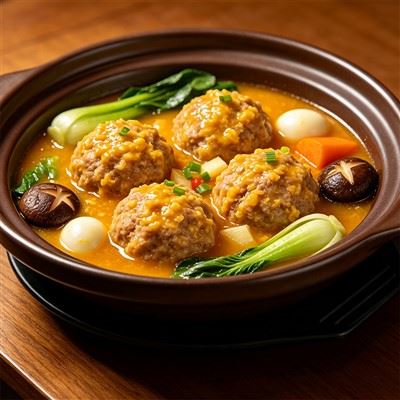
First, let’s talk about the core product: giant pork meatballs. Unlike tiny cocktail meatballs, which cook and reheat quickly, these larger orbs have a denser core that can turn dry if overheated. That’s why the biggest mistake I see is using a standard slow cooker set to high. The high heat burns off surface moisture, makes the exterior tough, and leaves the inside rubbery. I remember a client at a local banquet hall who tried this for a 200-person wedding last year—she ended up tossing 30 pounds of meatballs because they were so dry guests were leaving them on plates. So what’s the alternative? Low, steady heat, but not just any low heat. Here’s the science: meat proteins (like myosin and actin, which make up muscle fibers) start to contract and expel moisture at around 140°F, and that process accelerates above 160°F. For giant pork meatballs, the sweet spot is a core temperature of 155°F, which keeps proteins tender, locks in juiciness, and kills any harmful bacteria like Salmonella or E. coli. That temperature is also the point where the fat in the pork shoulder melts just enough to coat the interior, rather than rendering out into a puddle at the bottom of a container.
Now, how to maintain that temperature over the course of a buffet, which often runs 4 to 6 hours. A standard crockpot is inconsistent because the heating element only runs in cycles—so it might hit 180°F for 20 minutes, then drop to 120°F, creating a temperature range that’s bad for both food safety and meat quality. My go-to recommendation for clients is a commercial-grade insulated chafing dish with a water pan, set to the “low” setting (around 165°F for the water, which gently heats the meatballs without direct contact). The water acts as a buffer, preventing hot spots on the pan that could scorch the meatballs. But here’s a pro tip I learned from a caterer who works large corporate events: line the bottom of the chafing dish with a thin layer of the meatball cooking sauce, then arrange the meatballs in a single layer, not stacked. Stacking traps heat between the meatballs, making the interior overcook while the exterior gets soggy. For extra insurance against dryness, toss the meatballs in a light glaze right before placing them in the chafing dish—something simple, like a mix of half marinara and half beef broth with a pinch of sugar, or a spicy sriracha-honey blend. The glaze creates a barrier that locks in moisture while adding flavor, and it doesn’t get gummy like a thick barbecue sauce would when heated for hours.
Next, presentation, which is make-or-break for buffet guests. Giant pork meatballs are a statement item—they’re bigger than a golf ball, so they stand out on a plate, and guests love that novelty. But if they look like they’ve been sitting in a mushy sauce for hours, no one will pick them up. I’ve tested several presentation setups over the years, and the clear winner is a dual-compartment serving setup. One side of the chafing dish has the meatballs in their sauce, kept at 155°F, and the other side has a separate warm station for a variety of toppings and sides. Why separate? Because guests like to customize, and adding toppings to the meatball station can lead to cross-contamination. For example, if a guest uses a plate with melted cheese to top a meatball, and then uses that same plate to grab another meatball, you’ve got bacteria transferring into the main sauce. A dual station eliminates that risk. For sides, offer simple options that pair well with giant pork meatballs: mini garlic rolls (warm, so guests can slice them in half and make a meatball slider), roasted cherry tomatoes, and a small bowl of grated parmesan. Toppings should be bold but not overwhelming: chopped fresh parsley (added right before service, not pre-mixed), sliced pickled jalapeños, and a small squeeze bottle of melted butter. One trick I stole from a food truck client is to skewer a single meatball with a mini garlic roll half, then place a few skewers on the edge of the chafing dish. It’s a visual cue that makes guests think, “That looks easy to grab,” and it cuts down on guests poking through the entire pile of meatballs, which can disturb their temperature.
Food safety is non-negotiable for buffets, especially with larger meatballs that sit longer. The FDA’s Food Code states that hot food must be held at 140°F or above to prevent bacterial growth, and giant pork meatballs are especially high-risk because of their size. A lot of caterers don’t realize that when you take meatballs out of the oven to transfer them to the serving station, they cool down quickly—if they drop below 130°F for more than two hours, you have to toss them. I recommend prepping the meatballs in the kitchen, holding them at 155°F in a warming drawer (not a fridge) until 30 minutes before service, then transferring them directly to the pre-heated chafing dish. Don’t let them sit on the counter while you set up the buffet. Another safety tip: use long-handles serving spoons, and train staff to never stick their hands or dirty utensils into the main meatball pile. I once had a client lose their catering license because a server used a dirty spoon to stir the meatballs, leading to a small foodborne illness outbreak—easy to avoid if you stick to the right tools.
Wait, but what if a buffet is outdoor, or doesn’t have access to electricity for chafing dishes? I get that a lot—farmers markets, wedding receptions in fields, church picnics. For those cases, insulated cooler bags aren’t going to cut it because they keep food cold; you need a portable heating solution. The best option here is a fuel-powered chafing dish, which runs on propane and can hold temperature for up to 8 hours. But again, don’t stack the meatballs, and use a thicker sauce to keep them moist. Another alternative I’ve tested for small outdoor events is wrapping individual meatballs in foil, then placing them in a insulated food carrier. The foil traps heat, and when guests unwrap them, they get a warm, juicy meatball without being exposed to outdoor temperatures. Just make sure the internal temperature of the foil-wrapped meatballs is 165°F when you put them in the carrier—they’ll stay above 140°F for 6 hours that way.
I’ve also had to address dietary preferences, which are huge at buffets now. Giant pork meatballs are a hit with meat-eaters, but you can’t ignore vegetarians, or people who avoid gluten. A common mistake is making a separate batch of small veggie meatballs, but since our focus is giant pork, here’s a better compromise: offer a “build your own giant meatball” option where guests can choose between the pork meatball and a large portobello mushroom cap (grilled and kept warm) as a vegetarian alternative. The portobello has the same size and hearty texture as a giant pork meatball, so it fits the buffet’s theme without extra work. For gluten-free guests, use a gluten-free marinara sauce (made without wheat thickeners) and skip the garlic rolls, offering quinoa cups instead. It’s a small tweak that makes a big difference for guest satisfaction.
Over the years, I’ve learned that the best buffet serving strategy isn’t about the meatballs themselves—it’s about setting them up to be easy, safe, and appealing from start to finish. I had a client who hosts a monthly community dinner for 500 people use my approach last year, and they told me that the meatballs were the first item to sell out, with no leftover dry ones, and zero food safety incidents. That’s the win. The mistake so many people make is rushing the prep, using the wrong heat, or trying to save money on cheap chafing dishes that don’t hold temperature. As someone who’s been in the giant pork meatball game for a long time, I can tell you that consistent, high-quality service is what keeps guests coming back—and that starts with how you serve them at the buffet.
If you’re planning a buffet with giant pork meatballs, whether it’s a small corporate event or a large wedding, the team here has worked with hundreds of caterers to perfect this setup. We offer custom-sized meatballs, pre-seasoned batches, and expert advice on serving and holding temperatures, no matter the event size. Whether you need to order 20 pounds for a backyard party or 200 pounds for a festival, we can help you get the right product and the right guidance to make your buffet a hit. Reach out to our team to talk through your event needs, sample our signature giant pork meatballs, and lock in your order.
Lions Head Meatballs References
- U.S. Food and Drug Administration. Food Code 2022: Section 3-501.16 Hot Holding. U.S. Department of Health and Human Services; 2022.
- Lawrie RA, Ledward DA. Lawrie’s Meat Science. 8th ed. Woodhead Publishing; 2016.
- Caterer.com. “Buffet Food Safety: Best Practices for Hot Held Items.” 2023.
- Food Safety and Inspection Service. “Safe Minimum Internal Temperature Chart.” U.S. Department of Agriculture; 2021.
Yangzhou Jingsheng Food Co., Ltd.
As one of the most professional giant pork meatballs manufacturers and suppliers in China, we’re featured by quality products and good service. Please feel free to wholesale bulk customized giant pork meatballs at competitive price from our factory. Welcome to contact us for quotation and free sample.
Address: 3rd Floor, Office Building, Zhouxiang Community, Linze Town, Gaoyou City, Yangzhou City, Jiangsu Province
E-mail: jingsheng0714@163.com
WebSite: https://www.jingshengfood.com/
