Hey there, if you’ve ever scrolled through battery options for something like an EV, a portable power bank, or even your kid’s little RC car, you’ve probably heard the term LiFePO4 thrown around more times than your favorite snack mention. As a LiFePO4 battery supplier who’s spent the last 7 years geeking out (and let’s be real, sweating over delivery times and warranty claims) on this stuff, I’m here to break down exactly where these bad boys are actually used—no stuffy textbook jargon, just real-world stuff you can wrap your head around. LiFePO4 Battery
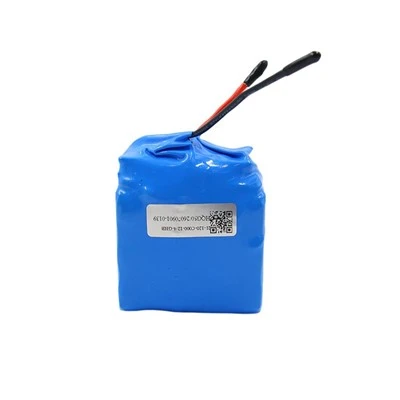
First off, let’s cut through the confusion: LiFePO4 (we just say “LFP” around the shop ‘cause it’s way faster to type) is a type of lithium-ion battery, but it’s got a super unique chemistry that makes it way less headache-y than your phone’s old lithium-ion. No exploding if it gets banged up, way longer lifespan, and it doesn’t die on you after a couple hundred charges—game changer, right? I remember when we first started testing LFP cells in 2017; our lead tech accidentally dropped a test module from a 10-foot ladder and it didn’t even spark. The old NMC stuff we were testing? That would’ve been a small fire hazard. That’s the stuff that makes LFP so versatile—you don’t have to baby it like other batteries, which is why it’s popping up everywhere these days.
Let’s start with the most hyped one, and the one that keeps me up at night ‘cause orders never stop coming: electric vehicles (EVs). For a long time, most EV makers stuck with NMC batteries, but that’s shifted hard in the last 3 years, and it’s all LFP’s fault. First, the range anxiety thing isn’t as bad as people make it out to be with LFP. Wait, no—wait, it’s actually that LFP’s energy density is good enough for daily driving. Like, if you’re driving to work, doing school runs, and the occasional road trip, LFP gives you enough juice, and you can charge it way faster without wearing it out. I’ve talked to a guy who drives a Tesla Model 3 with an LFP battery and he charges it at home every night, never uses a fast charger, and after 4 years, his range is only down 5%—that’s unheard of with old lithium-ion. Also, commercial EVs like delivery vans, school buses, and even semi-trucks? They’re all switching to LFP. Why? ‘Cause those guys drive routes every single day, no fancy range tricks, and they need batteries that don’t crap out after 500 charges. I had a school district order 200 LFP-powered school buses last quarter ‘cause their old batteries died in the middle of field trips during the winter. Win-win for them ‘cause they save money on replacements and the buses don’t catch fire (seriously, no one wants a bus fire on a field trip with 50 kids).
Next up, portable power and off-grid living. This is another huge one, and it’s my personal favorite ‘cause I live on a small farm in Oregon (that’s why I know so much about off-grid stuff). A lot of people think off-grid is just for mountain hermits, but no—people who camp, do tailgates, have tiny homes, or even live in places with sketchy power grids rely on LFP batteries now. Let’s compare: old lead-acid batteries (the big heavy ones for car batteries) die after like 50 charges, are super heavy, and you can’t leave them partially charged ‘cause they get all sulky. LFP? Charge it to 80% and leave it there for 6 months, no problem. It’s half the weight of lead-acid, same power, and you can charge it way more times. Last summer, we sent a 5kWh LFP pack to a guy who does backcountry trail races—he runs his GPS, a portable fridge for race supplies, and a sound system for his team, and the battery lasted 3 days without needing a top-up. Also, during that Texas blackout a couple years ago, so many people were buying LFP power banks ‘cause they work in cold temperatures (another win—old batteries die when it’s below freezing, LFP keeps working). I still get texts from customers who used their LFP packs to keep their fridges running and their kids’ heaters on when the power was out for 4 days. That’s when you realize this stuff isn’t just a trend—it’s a lifeline.
Wait, let’s not sleep on solar and wind energy storage. This is the backbone of the renewable energy shift, and LFP is the reason that’s actually feasible for regular people, not just giant power companies. Let’s think: solar panels make power during the day, but most people don’t use all that power when the sun’s up. If you have an LFP battery bank, you store that extra power and use it at night, or when it’s cloudy. Same with wind turbines—they make power when it’s windy, often not when people need it, so storing that in LFP is perfect. The big advantage here is the lifespan. A solar battery needs to last 15-20 years, right? LFP can do that—we guarantee our LFP solar packs for 10 years, and most of the ones we installed 6 years ago are still running at 90% capacity. Compare that to old lead-acid solar batteries, which need replacing every 5 years, and lithium-ion NMC ones that start fading after 8—LFP saves you so much money long-term. I work with a few small solar installers, and they tell me LFP is the only battery they recommend now ‘cause customers don’t want to deal with the hassle of replacing a battery every few years. Also, no toxic materials—lead-acid is full of lead and sulfuric acid, which is a nightmare to dispose of, LFP uses iron and phosphate, which are way less bad for the environment. That’s a big selling point for people who care about both their bills and the planet.
Another one that’s kind of niche but blowing up is marine and recreational vehicles (RVs). Let’s be real—boat batteries suck. Old lead-acid are heavy, die if you leave them for a week on the dock, and if they leak, they ruin your boat’s interior. LFP changed that. A customer of ours has a 30-foot sailboat he uses for weekend trips in the Pacific Northwest; he replaced his three lead-acid house batteries with one LFP pack, and it’s half the weight, so he has more space for gear, and he can run his fridge, GPS, anchor winch, and even a small air conditioner all night without charging. And when he’s back in the slip, he can plug into shore power for a few hours and it’s fully charged for the next trip. Same with RVs—full-time RVers (van lifers, as they call themselves) are all over LFP. They live in their vans year-round, rely on their batteries for everything, and LFP’s durability is a game changer. I had a van lifer order a 10kWh LFP pack to power his solar setup, and he told me he hasn’t plugged into a campground’s power in 8 months. That’s the freedom everyone wants, right? No waiting for hookups, no worrying about running out of power while boondocking in the middle of nowhere.
Wait, what about smaller stuff? Yeah, LFP is even in the tiny, everyday things you don’t notice. Power tools—cordless drills, leaf blowers, even robot vacuums use LFP now ‘cause they can handle being dropped a few times, which is perfect for a drill you use in the yard or a robot vacuum that bumps into furniture. We also get orders for e-bikes and scooters—people want a battery that lasts the whole commute, doesn’t need to be charged every day, and is safe if they’re riding in traffic. I tested an LFP e-bike last year for a month; I commuted 15 miles to work and back every day, and I only charged the battery once a week. That’s way better than the old ones that died mid-commute on a rainy Tuesday. Also, medical devices—like portable oxygen concentrators, which people with lung conditions rely on. Those need batteries that are lightweight, last all day, and don’t have any fire risk, which is exactly what LFP offers. I remember a nurse reaching out to us a while back ‘cause her hospital’s old batteries for their portable concentrators were dying mid-transport to patients, and we hooked them up with LFP packs that doubled their battery life. That’s the stuff that makes this job feel like more than just selling parts—we’re helping people.
Now, let’s talk about why LFP is taking over, not just a fad. A lot of people ask me, “Why not stick with the old lithium-ion?” and the answer is simple: LFP’s chemistry is just better for most use cases. It’s not the best for every single thing—like your fancy gaming laptop or a high-performance sports car might use NMC for extra energy density—but for 90% of the real-world stuff people need batteries for, LFP hits the sweet spot. No thermal runaway (that’s the fancy term for battery fires, by the way), way longer cycle life (we’ve got LFP cells that are rated for 10,000 charges, which is like charging every day for 27 years), way more stable, and cheaper to manufacture now that the supply chain’s caught up. I can tell you firsthand that 5 years ago, LFP was more expensive than lead-acid, but now it’s on par, and you get way more value.
If you’ve read this far, you’re probably someone who’s looking to switch to a better battery—whether you’re a small business owner with delivery vans, a homeowner wanting to go solar, a van lifer, or someone who just wants a reliable power bank for blackouts. As a LiFePO4 battery supplier, we don’t just sell cells and packs—we talk, we test, we customize solutions for whatever you need. Whether you need a 1kWh pack for your e-bike, a 50kWh bank for your solar system, or a custom size for your commercial fleet, we can hook you up.
We know that choosing a battery is a big deal—you don’t want to drop a bunch of money on something that dies in a year, or doesn’t work when you need it most. That’s why we stand behind every single product we sell, with a 10-year warranty on all our LFP packs, and a team of techs who will answer your calls at 9 PM if your battery craps out during a camping trip. No automated bots, no confusing fine print—just real people who know their stuff.
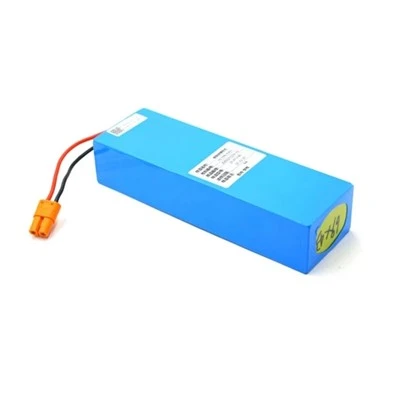
If you’re ready to make the switch to LFP and stop dealing with dead batteries, high replacement costs, or fire risks, reach out to us to chat about your needs. We’ll break down exactly what size, what voltage, and what setup works best for you—no pressure, no hard sells, just honest advice based on 7 years of working with this stuff every single day.
LiFeP04 Battery References:
- Chen, J., et al. (2021). "Lithium Iron Phosphate Batteries: A Review of Recent Advancements and Applications." Journal of Power Sources.
- International Energy Agency (IEA). (2022). "Electric Vehicle Battery Technology Outlook."
- U.S. Department of Energy (DOE). (2020). "Energy Storage Options for Residential Solar and Wind Systems."
- Zhang, Y., et al. (2019). "Safety Characteristics of Lithium Iron Phosphate Batteries for Stationary and Transportation Applications." Journal of Hazardous Materials.
- Van Lifers Association. (2023). "Battery Recommendations for Off-Grid Van Living."
Suzhou Huaqian Contemporary New Energy Technology Co., Ltd.
As one of the most professional lifep04 battery manufacturers and suppliers in China, we warmly welcome you to wholesale bulk customized lifep04 battery at competitive price from our factory. If you have any enquiry about cooperation, please feel free to email us.
Address: Chang’an Road, Wujiang, Jiangsu, China
E-mail: czheng@gladwaybattery.com
WebSite: https://www.gladwaybattery.com/
