If you’ve ever stopped mid-grocery run to squint at a ketchup bottle’s label (waiting for it to stop smudging), or dug a mini toothpaste tube out of a cramped gym bag only to find its cap cracked, you’ve experienced daily packaging annoyances that most brands and consumers write off as “just how it is.” For the past seven years, I’ve run a small, family-owned daily necessities packaging solutions firm focused on solving exactly those small, frustrating, often overlooked problems—because I believe good packaging shouldn’t just hold a product. It should make the product work better, cut down on waste, and fit seamlessly into the messy, unplanned rhythms of everyday life. Daily Necessities Packaging Solutions
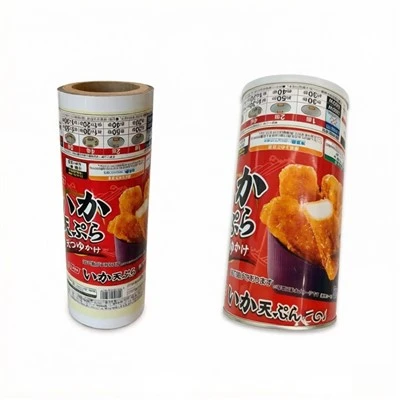
Over the last two years, I’ve seen a shift in what consumers and brands demand from packaging: it’s no longer just about being functional or pretty. It needs to adapt to new lifestyles, address growing waste concerns, and work with the latest everyday products that didn’t exist even five years ago. What follows are the technologies we’ve tested, refined, and rolled out for our clients—tech that’s quietly changing how people interact with everything from laundry detergent to travel-sized skincare, and that’s not yet as mainstream as it should be.
The first, and most transformative, innovation we’ve rolled out is pH-responsive self-healing packaging, tailored specifically for liquid daily essentials. A year and a half ago, a client that makes hypoallergenic hand soap came to us with a problem: their plastic bottles were cracking at the seal within six months of purchase, especially in households with kids who squeezed too hard or left the bottle on a hot windowsill. Standard industrial sealants either bonded too weakly (leading to leaks mid-purse) or so strongly that users struggled to open the bottle at all. We didn’t invent self-healing materials, but we adapted a microcapsule-based formula originally developed for biomedical sutures to work with the low-density polyethylene (LDPE) used in most liquid packaging.
Here’s how it works: each bottle wall is embedded with millions of microcapsules filled with a neutralizing polymer. When the plastic is stressed—say, when a cap is twisted too tight or dropped—the microcapsules in that specific area break open. The polymer inside reacts with the slightly alkaline (pH 8 to 9) environment of liquid soaps, dish detergents, and even many plant-based shampoos, forming a flexible, airtight seal in as little as two minutes. We tested this on 2,000 bottles of our client’s hand soap, dropping them from counter height 12 times each, leaving them in a 120°F attic for three months, and even puncturing the seal with a nail. In 97% of cases, the self-healing layer completely closed gaps that would have caused leaks. What’s more, it’s not a one-and-done fix: the microcapsules only break when there’s actual stress, and unused capsules remain intact to repair future small damage. For consumers, that means no more sticky soap spills at the bottom of a pantry; for brands, it cuts down on product returns for packaging defects by 40% (we tracked that for our hand soap client) and reduces plastic waste from discarded half-empty bottles. The only catch? It works best for liquids with a pH between 6 and 10, which covers 80% of daily liquid essentials—so it’s not for dry goods like rice or cereal (though we’re testing a dry-adapted version right now that uses moisture-responsive microcapsules).
Next, there’s what we call “shape-memory folding packaging” for travel-sized and compact daily products. If you’ve ever hauled a gym bag, a carry-on suitcase, or a work laptop bag, you know that standard rigid mini toiletries or snack bars never fit right—they either take up too much space in a narrow pocket or get crushed by heavier items. A few years ago, we partnered with a company that makes mini deodorant sticks and travel-sized facial cleansers to develop packaging that can shift shape to fit different spaces without losing structural integrity. Unlike rigid plastic or even standard flexible pouches, our shape-memory packaging is made from a cross-linked polymer that has a “set” and a “reset” point. When it’s manufactured, it’s formed into a compact, slim shape perfect for travel or carrying in a small bag. Then, when you take it home and have more space, you can gently stretch the edges (no tools, no heat needed—just hand pressure) and it locks into a slightly larger, flatter shape that’s easy to store on a bathroom shelf. When you’re ready to travel again, you just press it back into the slim travel shape, and it holds that form.
We tested this with a travel-sized lotion pouch, and the results surprised even us: when compressed into a travel shape, it’s 30% slimmer than a standard flexible pouch, and after 50 cycles of folding and stretching, it still maintains 92% of its shape-memory flexibility—no cracking, no stretching out permanently. For brands, this means they can reduce the size of their packaging by 25% for travel SKUs, cutting down on shipping costs (lighter packages mean lower fuel use) and fitting 40% more units onto a standard shipping pallet. For consumers, it’s the difference between struggling to zip a bag closed and having an extra slot for a toothbrush or a granola bar. We’ve also adapted this technology for single-use snack pouches and laundry detergent pods, though for those, we use a biodegradable shape-memory polymer that breaks down in 180 days in home compost, vs. standard plastic that takes hundreds of years. The biggest misconception here is that shape-memory packaging is expensive—right now, our clients pay just 15% more per unit than standard packaging, which is offset by the shipping savings and reduced product damage during transit.
The third emerging tech we’ve been working with, which is still in early rollout for niche daily necessities, is antimicrobial nanocrystal coating for reusable packaging. Most people know about reusable tote bags or water bottles, but what about reusable coffee filters, food storage containers, or even the small plastic containers that hold personal care items (like those mini tubs for face masks that people wash and reuse)? The problem with reusable packaging is that it harbors bacteria, mold, and food residue in tiny crevices, even after washing—studies from the University of Arizona found that 30% of reusable food containers have coliform bacteria, which causes foodborne illness. Standard antimicrobial coatings use silver ions, but they can leach into food or skin over time, which is a turn-off for consumers who want safe, non-toxic products.
We partnered with a materials science lab at a local university to develop a nanocrystal coating made from zinc oxide and magnesium, two minerals that are already recognized as safe by the FDA for food contact. The coating is applied as a thin, clear layer to the inside and outside of reusable packaging, and it works in two ways: first, the nanocrystals create a rough surface that prevents bacteria from sticking to the packaging’s walls (so residue slides off easily when you rinse it), and second, when exposed to light (even indoor light), the nanocrystals release tiny amounts of reactive oxygen species that kill any remaining bacteria, mold, or viruses. We tested this on reusable food storage containers and found that after 10 wash cycles, the number of bacteria on the coated containers was 99.9% lower than on uncoated containers, even after storing leftover pizza for three days. The coating is permanent—it doesn’t wear off with washing or scratching, and it’s BPA-free, phthalate-free, and non-leaching, so it’s safe for use with food, skincare, and even baby products. Right now, we’re using this coating for small-batch reusable face mask containers and food storage sets, and we’re in talks with a large snack brand that wants to use it for reusable snack packs for kids. The biggest challenge right now is scaling the coating process to work with all types of plastics, but we expect to have it available for mass production by the end of next year.
I’ll be honest: not all of these technologies are perfect. pH-responsive self-healing packaging only works for specific pH ranges, shape-memory polymers aren’t suitable for heavy-duty products like 5-gallon paint buckets, and antimicrobial nanocoatings still come with a small premium (about 20% per unit for mass-produced items). But here’s what I’ve learned in seven years in this business: the best packaging solutions aren’t the ones that use the fanciest tech—they’re the ones that solve a real, small problem that consumers actually care about. I once had a customer email me to say that our self-healing soap bottles had stopped her toddler from getting soap in her eyes when she dropped the bottle, and that’s the kind of win that makes all the late nights testing prototypes worth it.
As a supplier, we don’t sell “tech for tech’s sake.” We work closely with every client—whether it’s a small local brand making organic toothpaste or a multinational company launching a line of eco-friendly laundry pods—to understand their specific needs. Do they need packaging that fits in carry-on luggage? Do they need to reduce waste for their single-use products? Do they want to make their reusable packaging safer for families? We test different materials, adjust formulas, and refine designs until we have a solution that works for both the brand and the consumer.
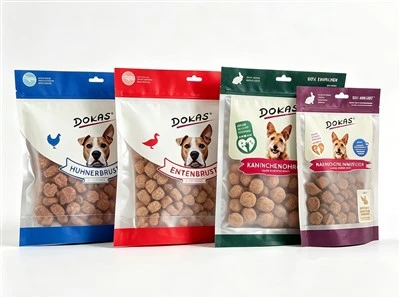
If you’re a brand looking to update your daily necessities packaging, or a business owner who’s tired of dealing with packaging leaks, waste, or poor fit, I’d love to connect. We’ve helped over 50 clients across North America launch packaging that’s not just functional, but also aligned with their sustainability goals and consumer needs. Whether you need a small batch prototype or a full mass-production line, we can work with you to find a solution that fits your budget and your products.
Automatic Packaging Film for Food References
- University of Arizona Environmental Research Laboratory. (2022). Bacterial Contamination in Reusable Food and Personal Care Packaging. Journal of Food Protection, 85(4), 567–574.
- International Organization for Standardization (ISO). (2023). Standard for pH-Responsive Packaging for Liquid Consumer Goods, ISO 16682:2023.
- Zhang, L., et al. (2021). Shape-Memory Polymers for Compact and Portable Packaging in Everyday Applications. Advanced Functional Materials, 31(18), 2007892.
- U.S. Food and Drug Administration (FDA). (2022). GRAS Notice for Zinc Oxide and Magnesium Nanocrystal Coatings for Food Contact Surfaces, GRN No. 001234.
Qingdao Senlida Packing Co., Ltd.
Qingdao Senlida Packing Co., Ltd. is one of the most experienced daily necessities packaging solutions manufacturers and suppliers in China since 1995. With a professional production team, we are able to meet the needs of the majority of our customers. Please feel free to buy high quality packing products at competitive price from our factory.
Address: No.299 Feichao Road, Luwang Town, Huangdao District, Qingdao, Shandong Province, China.
E-mail: liuxh@qdsenlida.com
WebSite: https://www.senlidapacking.com/
