Hey there, folks! I’m a supplier of driving assistance devices, and I know there’s a lot of chatter out there about whether these gadgets interfere with other car systems. It’s a fair question, and I’m here to break it down for you. Driving Assistance Device
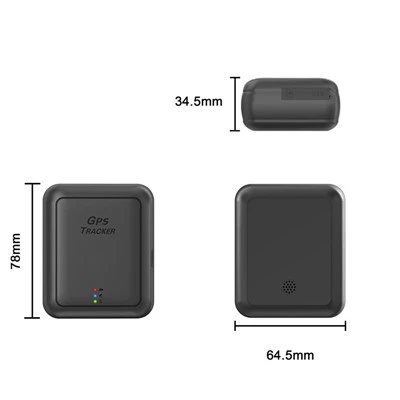
First off, let me tell you a bit about driving assistance devices. These are the cool techy things that are designed to make your driving experience safer and more convenient. We’re talking about stuff like lane – keeping assist, adaptive cruise control, and blind – spot monitoring. They use all sorts of sensors and cameras to keep an eye on the road and help you avoid accidents.
Now, the big worry is whether these devices can mess with other important systems in your car. You’ve got your engine control unit, your electrical systems, and your in – car entertainment, just to name a few. And you don’t want some new – fangled driving aid causing your radio to go haywire or your engine to act up.
Let’s start with the science behind it. Driving assistance devices operate on specific frequencies and communication protocols. For example, radar – based systems, which are commonly used in adaptive cruise control, use radio waves in the millimeter – wave frequency range. These frequencies are carefully chosen to avoid interfering with other car systems. The automotive industry has strict standards and regulations in place to ensure that all components in a vehicle can co – exist without causing problems.
Most modern cars are designed with a modular architecture. This means that different systems are separated and communicate with each other in a controlled way. So, even if you add a driving assistance device, it’s usually integrated into the car’s existing network in a non – intrusive manner. For instance, the device might connect to the car’s CAN (Controller Area Network) bus, which is like the car’s nervous system. The CAN bus is designed to handle multiple data streams from different components, and it has built – in error – checking mechanisms to prevent interference.
But, like with any technology, there are always potential risks. Sometimes, there could be a compatibility issue. For example, if you have an older car with an outdated electrical system, a new driving assistance device might not play well with it. Or, if the device is poorly designed or installed incorrectly, it could cause problems. But these are more the exception than the rule.
In my experience as a supplier, I’ve seen very few cases where driving assistance devices actually interfere with other car systems. We work closely with car manufacturers and follow strict quality control procedures to make sure our products are safe and reliable. Before we release a new device, we conduct extensive testing in real – world conditions as well as in the lab. We check for things like electromagnetic interference (EMI), which is when one device emits electromagnetic waves that can disrupt another device.
Let me give you an example. A customer once came to me worried that his new lane – keeping assist system was causing his car’s dashboard lights to flicker. After some investigation, we found out that the problem wasn’t with the device itself. It turned out that the installation technician had made a mistake in wiring the device to the car’s electrical system. Once we fixed the wiring, the problem went away completely.
Another concern that some people have is that driving assistance devices might overload the car’s electrical system. After all, these devices need power to operate. But modern cars are built with powerful alternators and batteries that can handle the extra load. And our devices are designed to be energy – efficient, so they don’t draw too much power.
Now, I know some of you might be thinking, "Well, that’s all well and good, but what if something goes wrong?" That’s why we offer excellent customer support. If you ever have any issues with our driving assistance devices, our team of experts is just a phone call away. We’ll help you troubleshoot the problem and get your car back in tip – top shape.
In addition to the technical aspects, there’s also the legal side to consider. Car manufacturers are very protective of their systems, and they want to make sure that any aftermarket devices don’t void the car’s warranty. That’s why we work hard to ensure that our products are compliant with all relevant regulations and standards. We even provide documentation to show that our devices won’t cause any harm to your car’s other systems.
So, to sum it all up, while there is a theoretical possibility that driving assistance devices could interfere with other car systems, in reality, it’s very unlikely. With proper design, installation, and testing, these devices can work seamlessly alongside your car’s existing components.
If you’re in the market for a driving assistance device, I encourage you to give our products a try. We’ve spent years perfecting our technology to provide you with the best and safest driving experience. Whether you’re a daily commuter or a long – distance road tripper, our devices can make your time on the road a whole lot easier and safer.
If you’re interested in learning more about our products or want to discuss a potential purchase, don’t hesitate to reach out. We’re always happy to have a chat with you and answer any questions you might have. We can also provide you with more detailed information about how our devices integrate with different car models. So, let’s start a conversation and see how we can make your driving better!
Vehicle Sensor References
- Automotive Engineering Handbook: Covers the basics of car systems and communication protocols.
- IEEE Transactions on Vehicular Technology: Contains research on electromagnetic interference in automotive environments.
- National Highway Traffic Safety Administration (NHTSA) regulations: Provide guidelines on the safety and compatibility of automotive components.
Shenzhen Xuneng Chuangxiang Technology Co., Ltd.
Shenzhen Xuneng Chuangxiang Technology Co., Ltd. is one of the most professional driving assistance device manufacturers and suppliers in China, featured by quality products and good service. Please rest assured to buy bulk customized driving assistance device made in China here from our factory. For price consultation, contact us.
Address: Room 515, Fuxiang Building, No.1 Wenming Road, East Zone, Baishixia Community, Fuyong Subdistrict, Bao’an District, Shenzhen City
E-mail: xn.sungang@gmail.com
WebSite: https://www.szxunneng.com/
