In the realm of interior design and acoustic management, suspended ceiling baffles have gained significant popularity. These versatile elements not only enhance the aesthetic appeal of a space but also play a crucial role in controlling sound. As a supplier of suspended ceiling baffles, I often encounter a common question from potential customers: "Do suspended ceiling baffles attract dust?" In this blog post, I will delve into this topic from a scientific perspective, providing valuable insights to help you make informed decisions about incorporating these baffles into your projects. Suspended Ceiling Baffles
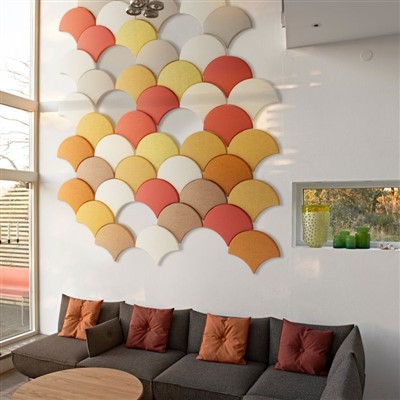
The Composition and Structure of Suspended Ceiling Baffles
To understand whether suspended ceiling baffles attract dust, it is essential to first examine their composition and structure. Suspended ceiling baffles are typically made from a variety of materials, including fiberglass, wood, metal, and recycled polyester. Each material has its own unique properties that can influence its dust – attracting tendencies.
Fiberglass baffles are composed of fine glass fibers that are held together by a resin binder. The porous nature of fiberglass allows it to absorb sound effectively, but it also means that it can potentially trap dust particles. The small spaces between the glass fibers can act as pockets where dust can settle.
Wooden baffles, on the other hand, have a more solid surface. However, the natural grain and pores in the wood can still provide areas where dust can accumulate. Additionally, if the wood is not properly finished, it may be more prone to attracting and holding dust.
Metal baffles, such as aluminum or steel, have a smooth surface. This smoothness makes it more difficult for dust to adhere to the surface compared to porous materials. However, electrostatic forces can sometimes cause dust to be attracted to the metal, especially if the metal is in an environment with a lot of static electricity.
Recycled polyester baffles are made from recycled plastic fibers. They are often treated with special finishes to enhance their fire – resistance and acoustic properties. The tightly woven structure of these baffles reduces the amount of surface area available for dust to settle on, but they are not entirely immune to dust accumulation.
Environmental Factors Affecting Dust Attraction
The environment in which the suspended ceiling baffles are installed plays a significant role in determining whether they will attract dust. Factors such as air circulation, humidity, and the level of particulate matter in the air all contribute to the dust – attracting potential of the baffles.
In a well – ventilated space with good air circulation, dust is less likely to settle on the baffles. The constant movement of air helps to carry dust particles away from the surface of the baffles. On the contrary, in a room with poor air circulation, dust can easily accumulate on the baffles over time.
Humidity also affects dust attraction. In a dry environment, dust particles are lighter and more likely to float in the air. They can then be attracted to the surface of the baffles by electrostatic forces. In a humid environment, dust particles may clump together and become heavier, making them less likely to be attracted to the baffles. However, high humidity can also cause other problems, such as mold growth on some types of baffle materials.
The level of particulate matter in the air is another crucial factor. In industrial settings or areas with high levels of pollution, there will be more dust in the air, increasing the likelihood of dust accumulation on the baffles. In contrast, in clean environments such as hospitals or laboratories, the amount of dust in the air is much lower, and the baffles are likely to stay cleaner for longer.
Maintenance and Cleaning of Suspended Ceiling Baffles
Regardless of the material and environmental factors, regular maintenance and cleaning are essential to keep suspended ceiling baffles free from dust. The cleaning method depends on the type of baffle material.
For fiberglass baffles, a gentle vacuuming with a soft – bristle attachment is often sufficient to remove dust. It is important not to use high – pressure air or abrasive cleaners, as this can damage the delicate glass fibers.
Wooden baffles can be dusted with a soft cloth or a feather duster. For more stubborn dirt, a mild wood cleaner can be used, followed by a dry cloth to prevent moisture damage.
Metal baffles can be wiped down with a damp cloth. If there is a lot of dust or grime, a mild detergent can be added to the water. After cleaning, it is important to dry the metal thoroughly to prevent rusting.
Recycled polyester baffles can usually be vacuumed or spot – cleaned with a mild detergent solution. It is important to follow the manufacturer’s cleaning instructions to avoid damaging the fabric or the special finishes.
Reducing Dust Attraction in Suspended Ceiling Baffles
There are several strategies that can be employed to reduce the dust – attracting potential of suspended ceiling baffles. One approach is to select materials that are less likely to attract dust. As mentioned earlier, metal baffles with smooth surfaces are generally less prone to dust accumulation compared to porous materials like fiberglass.
Another strategy is to improve the air quality in the space. Installing air filters and ventilation systems can significantly reduce the amount of particulate matter in the air, minimizing the dust that can settle on the baffles.
Proper installation is also crucial. Ensuring that the baffles are installed correctly and evenly can prevent the formation of areas where dust can accumulate. For example, if the baffles are not installed tightly together, there may be gaps where dust can collect.
Conclusion
In conclusion, while suspended ceiling baffles can attract dust to some extent, the degree of dust attraction depends on a variety of factors, including the material of the baffles, the environmental conditions, and the level of maintenance. By understanding these factors and implementing appropriate strategies, it is possible to minimize dust accumulation on the baffles.
Sound-absorbing Materials As a supplier of suspended ceiling baffles, we are committed to providing high – quality products that meet the diverse needs of our customers. Our baffles are designed to not only enhance the acoustic performance of your space but also to be easy to maintain. If you are considering using suspended ceiling baffles in your next project, we invite you to reach out to us for more information. We can provide you with detailed product specifications, material options, and advice on installation and maintenance. Let’s work together to create a space that is both aesthetically pleasing and acoustically sound.
References
- "Acoustic Ceiling Design Handbook" by Acoustics Research Institute
- "Materials Science for Interior Designers" by Interior Design Press
- "Environmental Factors Affecting Building Materials" by Building Science Journal
Guangzhou MQ Acoustic Materials Co., Ltd.
Guangzhou MQ Acoustic Materials Co., Ltd. is one of the most professional suspended ceiling baffles manufacturers and suppliers in China, featured by quality products and low price. Welcome to buy CE approved suspended ceiling baffles in stock here and get quotation from our factory. We also accept customized orders.
Address: Room D403, KeZhu Business Building, ZhuJi Road, TianHe District, GuangZhou, China
E-mail: Lizzy@mq-acoustics.com
WebSite: https://www.acoustic-projects.com/
