As a supplier of huller machines, I am often asked about the feeding method of these essential pieces of equipment. The feeding method of a huller machine is a critical aspect that can significantly impact its efficiency, performance, and the quality of the final product. In this blog post, I will delve into the various feeding methods of huller machines, their advantages and disadvantages, and how to choose the most suitable one for your specific needs. Huller Machine
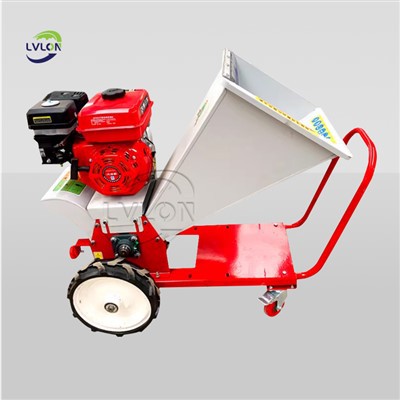
Gravity Feeding
Gravity feeding is one of the most common and straightforward feeding methods used in huller machines. In this method, the raw material, such as grains or nuts, is placed in a hopper located above the hulling chamber. The material then falls under the influence of gravity into the hulling mechanism.
Advantages
- Simplicity: Gravity feeding is extremely simple and requires minimal mechanical components. This makes the huller machine easier to maintain and reduces the risk of mechanical failures.
- Cost – effective: Since it does not require additional power – consuming devices for feeding, it is a cost – effective option. It can save on energy costs in the long run.
- Gentle on the material: Gravity feeding is a relatively gentle process that does not subject the raw material to excessive force or pressure before hulling. This helps to preserve the integrity of the material and reduce the risk of damage.
Disadvantages
- Limited control: The flow rate of the material is mainly determined by the size and shape of the hopper opening and the properties of the material itself. It can be challenging to precisely control the feeding rate, especially when dealing with materials of different sizes or densities.
- Possible blockages: If the material is sticky or has a high moisture content, it may cause blockages in the hopper or the feeding channel. This can disrupt the hulling process and require manual intervention to clear the blockage.
Screw Feeding
Screw feeding involves the use of a rotating screw conveyor to move the raw material from the hopper to the hulling chamber. The screw conveyor is typically powered by an electric motor.
Advantages
- Precise control: Screw feeding allows for precise control of the feeding rate. By adjusting the speed of the motor, the amount of material fed into the hulling chamber can be accurately regulated. This is particularly important when dealing with materials that require a specific feed rate for optimal hulling.
- Handling of different materials: Screw feeders can handle a wide range of materials, including those with irregular shapes, sizes, and densities. They can effectively move sticky or cohesive materials without causing blockages.
- Continuous feeding: Screw feeders can provide a continuous and uniform flow of material into the hulling chamber, ensuring a consistent hulling process.
Disadvantages
- Higher cost: Screw feeding systems are more complex and require additional components such as motors, gearboxes, and screw conveyors. This increases the initial cost of the huller machine and also the maintenance cost.
- Wear and tear: The screw conveyor is subject to wear and tear, especially when handling abrasive materials. This may require regular replacement of the screw or other components, which can add to the operating cost.
Belt Feeding
Belt feeding uses a conveyor belt to transport the raw material from the hopper to the hulling chamber. The belt is driven by a motor, and the speed of the belt can be adjusted to control the feeding rate.
Advantages
- Large – scale feeding: Belt feeders are suitable for large – scale operations as they can handle a large volume of material. They can be designed with wide belts to accommodate a high throughput of raw material.
- Flexibility: Belt feeders can be easily customized to fit different huller machine configurations. They can be installed at various angles and lengths to suit the layout of the production facility.
- Gentle handling: Similar to gravity feeding, belt feeding is a relatively gentle process that does not damage the raw material. It can be used for delicate materials that require careful handling.
Disadvantages
- Space requirements: Belt feeders require a significant amount of space for installation. This can be a limitation in small production facilities.
- Maintenance: The conveyor belt needs to be regularly inspected and maintained to ensure proper operation. Issues such as belt slippage, misalignment, and wear can occur, which may require downtime for repair.
Pneumatic Feeding
Pneumatic feeding uses compressed air to transport the raw material from the hopper to the hulling chamber. The material is entrained in a stream of air and carried through a pipeline.
Advantages
- High – speed feeding: Pneumatic feeding can achieve high – speed feeding, which is beneficial for high – throughput hulling operations. It can quickly move large quantities of material over long distances.
- Dust control: Since the material is transported in a closed pipeline, pneumatic feeding helps to control dust emissions. This is important for maintaining a clean and safe working environment.
- Versatility: Pneumatic feeding systems can be used to handle a wide range of materials, including fine powders and granular materials.
Disadvantages
- High energy consumption: Pneumatic feeding requires a significant amount of compressed air, which results in high energy consumption. This can increase the operating cost of the huller machine.
- Material degradation: The high – speed movement of the material in the air stream can cause some degradation of the material, especially if it is fragile. This may affect the quality of the final product.
Choosing the Right Feeding Method
When choosing the feeding method for your huller machine, several factors need to be considered:
- Material properties: The size, shape, density, moisture content, and stickiness of the raw material are important factors. For example, sticky materials may require a screw or belt feeder, while fine powders may be better suited for pneumatic feeding.
- Production capacity: If you have a high – volume production requirement, a belt or pneumatic feeder may be more suitable. For small – scale operations, gravity or screw feeding may be sufficient.
- Cost: Consider the initial cost of the feeding system, as well as the long – term operating and maintenance costs. Gravity feeding is generally the most cost – effective option, while pneumatic feeding can be more expensive.
- Space availability: The available space in your production facility will also influence the choice of feeding method. Belt feeders require more space, while gravity feeders are more compact.
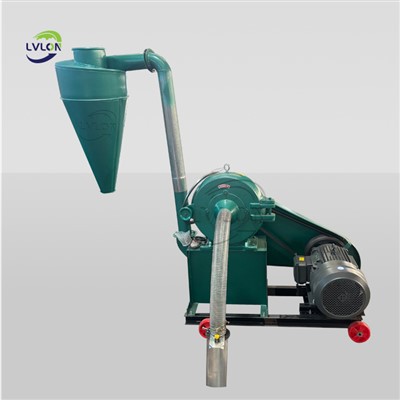
As a supplier of huller machines, I understand that each customer has unique requirements. We are committed to providing customized solutions that meet your specific needs. Whether you need a gravity – fed huller machine for a small – scale farm or a high – capacity pneumatic – fed huller for an industrial operation, we have the expertise and experience to help you make the right choice.
Grain Crusher If you are interested in purchasing a huller machine or need more information about the feeding methods, I encourage you to reach out to us. Our team of experts will be happy to discuss your requirements and provide you with a detailed quotation. We look forward to the opportunity to work with you and help you achieve your production goals.
References
- "Handbook of Grain Processing" by Norman A. Delcour and K. J. H. Jacobs
- "Food Processing Technology: Principles and Practice" by P. J. Fellows
Henan Lvlon Industrial Co., Ltd.
We’re well-known as one of the leading huller machine suppliers in China, featured by quality products and good price. Please rest assured to buy high-grade huller machine for sale here from our factory. Welcome to view our website for more information.
Address: Unit 5, 5th Floor, Building 11, No. 18 Dongfeng Road, Jinshui District, Zhengzhou City, Henan Province.
E-mail: lvlonxu@gmail.com
WebSite: https://www.lvlonmachinery.com/
