Can a benchtop drill press be used for drilling holes in PVC? You bet it can! As a supplier of benchtop drill presses, I’ve seen firsthand how these nifty machines can handle PVC drilling with ease. In this blog, I’ll break down the ins and outs of using a benchtop drill press for PVC, sharing tips and insights based on my real – world experience. Benchtop Drill Press
Let’s start with the basics. PVC, or polyvinyl chloride, is a popular plastic material used in a wide range of applications, from plumbing to crafting. It’s lightweight, durable, and relatively easy to work with. When it comes to drilling holes in PVC, a benchtop drill press can be a real game – changer.
One of the biggest advantages of using a benchtop drill press for PVC is precision. Unlike hand – held drills, a drill press is fixed in place, which means you can drill straight, consistent holes every time. This is especially important when working on projects that require a high level of accuracy, like building a PVC frame or installing PVC pipes. The adjustable depth stop on most drill presses also allows you to control the depth of the hole, ensuring that you don’t drill too deep and damage the material.
Another benefit is power and stability. Benchtop drill presses are designed to provide a steady stream of power, which makes it easier to drill through PVC. The weight and design of the drill press keep it firmly in place on the workbench, reducing the risk of the drill bit wandering or the PVC piece moving around during the drilling process. This stability results in cleaner, more professional – looking holes.
Now, let’s talk about the tools and techniques you’ll need. First off, you’ll want to choose the right drill bit. For PVC, a high – speed steel (HSS) drill bit works great. These bits are sharp and can cut through the plastic smoothly without causing too much melting or chipping. You can find HSS drill bits in a variety of sizes at your local hardware store.
Before you start drilling, it’s a good idea to mark the spots where you want to drill the holes. You can use a pencil or a marker to do this. Make sure your PVC piece is securely clamped to the workbench. This will prevent it from moving around and ensure that your holes are drilled in the right place.
When you’re ready to start drilling, set the drill press to a slow speed. PVC is a soft material, and drilling at a high speed can cause the plastic to melt or the edges of the hole to become rough. Start the drill press and slowly lower the drill bit into the PVC. Apply light pressure and let the drill bit do the work. Don’t force it, as this can lead to breakage or a poor – quality hole.
If you’re drilling multiple holes in a row, it’s a good practice to take breaks in between. This allows the drill bit to cool down and also gives you a chance to check the quality of the holes. You might want to use a deburring tool to clean up any rough edges after you’ve drilled the holes.
But, like with any tool, there are some potential challenges when using a benchtop drill press for PVC. One issue is overheating. If the drill bit gets too hot, it can melt the PVC around the hole, making it look messy and potentially weakening the material. To avoid this, you can use a lubricant, such as WD – 40 or a light machine oil. Just apply a small amount to the drill bit before you start drilling.
Another challenge can be the buildup of plastic shavings. These shavings can clog the drill bit and make it harder to drill. To deal with this, you can stop periodically and clean the drill bit with a brush. You can also use a vacuum to suck up the shavings as you drill, which keeps your work area clean and makes the drilling process more efficient.
Now, I’ve drilled my fair share of PVC with different benchtop drill presses, and I’ve learned that proper maintenance is key. After you’re done drilling, make sure to clean the drill press thoroughly. Wipe down the table, the drill chuck, and the column to remove any plastic debris. Lubricate the moving parts regularly to keep the drill press running smoothly.
If you’re new to using a benchtop drill press for PVC, I recommend starting with a simple project. Maybe drill a few holes in a small piece of PVC pipe to get the hang of it. As you gain more experience, you can move on to more complex projects, like building a PVC shelving unit or a custom – made PVC furniture piece.
I know there are some folks out there who might be thinking, "I can just use a hand – held drill. Why bother with a benchtop drill press?" Well, while a hand – held drill can get the job done in a pinch, it just doesn’t offer the same level of precision and stability as a drill press. If you’re serious about working with PVC, investing in a good benchtop drill press is definitely worth it.
In conclusion, a benchtop drill press is a fantastic tool for drilling holes in PVC. It offers precision, power, and stability, making it easier to create clean, accurate holes. With the right drill bit, some basic techniques, and a bit of practice, you’ll be drilling PVC like a pro in no time.
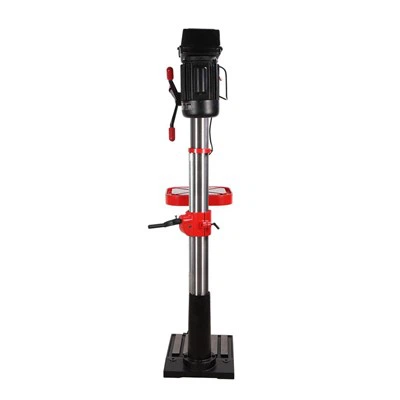
If you’re interested in getting your hands on a high – quality benchtop drill press for your PVC projects, I’d love to chat. We’ve got a great selection of drill presses that are perfect for working with PVC and other materials. Whether you’re a DIY enthusiast or a professional contractor, we’ve got the right tool for you. Reach out to us to start a discussion about your needs and how we can help you find the perfect benchtop drill press for your projects.
Magnetic Drill Press References
- "PVC Processing Handbook" by Vincent Baillie
- "Woodworking and Materials" magazine articles on plastic material processing
- Personal experiences as a benchtop drill press supplier
YS Machine Tools Co., Ltd.
We’re well-known as one of the leading benchtop drill press suppliers in China, featured by quality products and good service. Please rest assured to buy customized benchtop drill press at competitive price from our factory. Contact us for more details.
Address: 300 Sandusky st, Ohio, 43611, USA
E-mail: yishoumachinetools@gmail.com
WebSite: https://www.ysmachinetool.com/
