In the field of industrial automation and fluid control, the linear motion control valve plays a pivotal role. As a leading supplier of linear motion control valves, I have witnessed firsthand the critical role these devices play in various industries. In this blog, I will delve into the inner workings of a linear motion control valve, exploring its components, operation principles, and applications. Linear Motion Control Valve
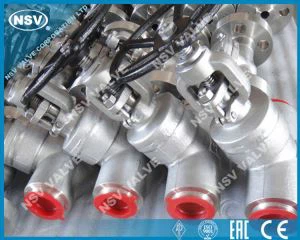
Components of a Linear Motion Control Valve
A linear motion control valve is composed of several key components, each with its specific function. These components work in harmony to regulate the flow of fluids, such as liquids, gases, or steam, through a pipeline.
Actuator
The actuator is the driving force behind the linear motion of the valve. It converts electrical, pneumatic, or hydraulic energy into linear motion to move the valve stem. There are different types of actuators available, each suitable for specific applications.
- Pneumatic Actuators: These actuators use compressed air to generate linear motion. They are widely used in industrial applications due to their simplicity, reliability, and cost – effectiveness. Pneumatic actuators can provide a quick response and are suitable for applications where fast valve operation is required.
- Electric Actuators: Electric actuators use an electric motor to drive the valve stem. They offer precise control over the valve position and are often used in applications where accurate flow regulation is essential. Electric actuators can be programmed to perform specific functions and are suitable for applications in the chemical, pharmaceutical, and food industries.
- Hydraulic Actuators: Hydraulic actuators use hydraulic fluid to generate linear motion. They are capable of providing high force outputs and are commonly used in heavy – duty applications, such as in the oil and gas industry, where large valves need to be operated.
Valve Stem
The valve stem is a crucial component that connects the actuator to the valve plug. It transmits the linear motion from the actuator to the valve plug, allowing it to move up and down within the valve body. The valve stem is designed to be strong and durable, as it needs to withstand the forces exerted by the actuator and the pressure of the fluid flowing through the valve.
Valve Plug
The valve plug is the part of the valve that controls the flow of fluid through the valve. It is located inside the valve body and moves linearly to change the size of the flow passage. When the valve plug is in the closed position, it seals against the valve seat, preventing the flow of fluid. As the valve plug moves upward, the flow passage opens, allowing fluid to pass through the valve. The shape and design of the valve plug can vary depending on the application requirements, such as the need for throttling or on – off control.
Valve Seat
The valve seat is a stationary part of the valve that provides a sealing surface for the valve plug. It is designed to ensure a tight seal when the valve is closed, preventing leakage of the fluid. The valve seat can be made of different materials, such as metal, rubber, or plastic, depending on the type of fluid being controlled and the operating conditions.
Valve Body
The valve body is the outer shell of the valve that encloses all the internal components. It is designed to withstand the pressure and temperature of the fluid flowing through the valve. The valve body has inlet and outlet ports through which the fluid enters and exits the valve. It can be made of various materials, such as cast iron, stainless steel, or brass, depending on the application requirements.
Operation Principles of a Linear Motion Control Valve
The operation of a linear motion control valve is based on the principle of changing the flow area to regulate the flow rate of the fluid. The actuator moves the valve stem and the attached valve plug up and down within the valve body, thereby changing the size of the flow passage between the valve plug and the valve seat.
Flow Control
The flow rate of the fluid through the valve is directly proportional to the size of the flow passage. When the valve plug is fully open, the flow passage is at its maximum, allowing the maximum flow rate of the fluid. As the valve plug moves downward towards the closed position, the flow passage decreases, reducing the flow rate of the fluid. By controlling the position of the valve plug, the operator can precisely regulate the flow rate of the fluid.
Pressure Regulation
In addition to flow control, linear motion control valves can also be used for pressure regulation. By adjusting the position of the valve plug, the valve can maintain a constant pressure downstream of the valve. When the downstream pressure increases, the actuator can move the valve plug towards the closed position to reduce the flow rate and thus lower the pressure. Conversely, when the downstream pressure decreases, the actuator can move the valve plug towards the open position to increase the flow rate and raise the pressure.
On – Off Control
Linear motion control valves can also be used for on – off control applications. In this mode, the valve is either fully open or fully closed. The actuator moves the valve plug to the fully open position to allow the fluid to flow freely through the valve, or to the fully closed position to stop the flow of the fluid completely. On – off control is commonly used in applications where a simple yes – or – no decision needs to be made regarding the flow of fluid, such as in cooling systems or irrigation systems.
Applications of Linear Motion Control Valves
Linear motion control valves are widely used in a variety of industries due to their ability to precisely control the flow and pressure of fluids. Here are some common applications:
Chemical Industry
In the chemical industry, linear motion control valves are used to control the flow of various chemicals in manufacturing processes. They are used to regulate the addition of reactants, control the flow of solvents, and ensure the proper mixing of chemicals. The precise control provided by these valves is essential for maintaining the quality and consistency of chemical products.
Oil and Gas Industry
In the oil and gas industry, linear motion control valves are used in various applications, such as wellhead control, pipeline flow control, and refining processes. They are used to control the flow of crude oil, natural gas, and refined products, and to regulate the pressure in pipelines and processing equipment. The high – pressure and high – temperature resistance of these valves make them suitable for the harsh operating conditions in the oil and gas industry.
Power Generation
In power generation plants, linear motion control valves are used to control the flow of steam, water, and other fluids in the power generation process. They are used to regulate the flow of steam to turbines, control the cooling water flow, and ensure the proper operation of boiler systems. The precise control provided by these valves is crucial for maintaining the efficiency and safety of power generation plants.
Water Treatment
In water treatment plants, linear motion control valves are used to control the flow of water in various treatment processes, such as filtration, disinfection, and chemical dosing. They are used to regulate the flow of raw water, treated water, and chemicals, and to maintain the proper water quality. The accurate flow control provided by these valves is essential for ensuring the effective treatment of water.
Conclusion

Linear motion control valves are essential devices in industrial automation and fluid control systems. Their ability to precisely regulate the flow and pressure of fluids makes them indispensable in a wide range of industries. As a supplier of linear motion control valves, I understand the importance of providing high – quality products that meet the specific needs of our customers. Whether you are in the chemical, oil and gas, power generation, or water treatment industry, our linear motion control valves can provide reliable and efficient fluid control solutions.
Control Valves If you are interested in learning more about our linear motion control valves or are looking for a reliable supplier for your industrial fluid control needs, please don’t hesitate to contact us for further discussions. Our team of experts is ready to assist you in selecting the most suitable valve for your application and to provide you with comprehensive technical support.
References
- Smith, J. (2019). Industrial Valve Handbook. McGraw – Hill.
- Brown, R. (2020). Fluid Control Systems: Principles and Applications. Wiley.
- Davis, M. (2021). Valve Technology for the 21st Century. Elsevier.
NSV Valve Corporation
NSV Valve Corporation is one of the most professional linear motion control valve manufacturers and suppliers in China, featured by quality products and good service. Please rest assured to buy linear motion control valve made in China here from our factory.
Address: Puyi Road,Sanqiao Industrial Zone, Oubei Street, Yongjia County,Zhejiang,China
E-mail: info@nsvvalve.com
WebSite: https://www.nsvvalves.com/
