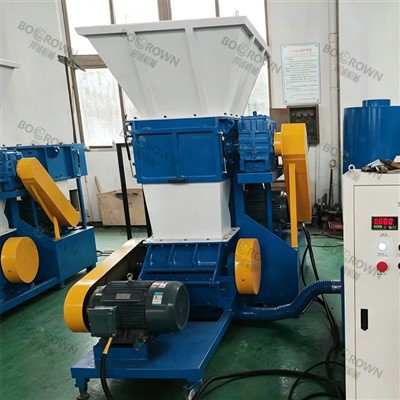
Hey there! I’m a supplier of Feeder Machines, and today I’m gonna chat about how to implement the feeding remote control of a Feeder Machine. It’s a cool feature that can really make your operations more efficient and convenient. So, let’s dive right in! Feeder Machine
Why Remote Control Feeding?
First off, you might be wondering why remote control feeding is such a big deal. Well, think about it. With a remote – controlled Feeder Machine, you don’t have to be right next to the machine all the time. You can be across the room, or even in another building if you’ve got the right setup.
This is super handy in industrial settings where the Feeder Machine might be in a noisy, dirty, or dangerous area. You can operate it safely from afar, minimizing the risk of accidents. Plus, it saves time. No more walking back and forth to adjust the feeding rate or start and stop the machine manually.
Getting the Right Hardware
The first step in implementing remote control feeding is getting the right hardware. You’ll need a Feeder Machine that’s compatible with remote – control systems. Most of the modern Feeder Machines these days come with the option to add remote – control capabilities, but it’s always a good idea to double – check.
You need a reliable remote control unit. This can be a simple handheld device or something more advanced that connects to your smartphone or tablet. There are a bunch of different options out there, so you gotta find one that suits your needs.
Also, make sure the Feeder Machine has the necessary sensors and actuators. The sensors are what detect things like the amount of material being fed, the speed, and the position of the feeding mechanism. The actuators are what actually make the changes based on the commands from the remote control.
Connectivity is Key
Once you’ve got the hardware sorted, you need to think about connectivity. There are a few different ways to achieve this.
Wireless Connectivity: This is probably the most popular option. You can use Wi – Fi, Bluetooth, or radio frequency (RF) to connect the remote control to the Feeder Machine. Wi – Fi is great if you’re in a stable network environment. You can control the machine from your smartphone or a computer that’s connected to the same Wi – Fi network.
Bluetooth is more suitable for shorter – range communication. It’s easy to set up and doesn’t require a big network infrastructure. But it has a limited range, usually up to 10 meters or so.
RF is a good choice if you need a more reliable long – range connection. It can work over hundreds of meters, depending on the power and frequency.
Wired Connectivity: If wireless isn’t an option for you, you can go for a wired connection. This involves running cables between the remote control unit and the Feeder Machine. It’s a more stable option, but it can be a hassle to install, especially if the machine is in a hard – to – reach place.
Setting Up the Software
The software is what makes the remote control work. Most Feeder Machines come with their own software that you can use to program the remote – control functions. You can set up things like the feeding rate, the start and stop times, and the sequence of operations.
If the machine doesn’t come with software, or if you want more customization options, you can use third – party software. There are plenty of software solutions available in the market that are designed for industrial automation and remote control.
When setting up the software, you need to make sure it’s compatible with your Feeder Machine and the remote control unit. You’ll also need to configure it according to your specific requirements. This might involve setting up user accounts, creating different control profiles, and testing the software to make sure it works properly.
Testing and Troubleshooting
Before you start using the remote – controlled Feeder Machine in a real – world scenario, you need to do some testing. First, test the basic functions of the remote control, like starting and stopping the machine, adjusting the feeding rate, and changing the direction of the feeding mechanism.
Check if the sensors are working correctly. You can do this by adding or removing material from the feeding hopper and seeing if the machine responds as expected. Make sure the actuators are moving smoothly and accurately based on the commands from the remote control.
If you run into any issues during the testing phase, don’t panic. Most problems can be fixed with a bit of troubleshooting. Check the hardware connections to make sure everything is plugged in correctly. Look at the software settings to see if there are any errors. If you’re still having trouble, you can always contact the manufacturer or a technical support team for help.
Maintenance and Safety
Once the remote – controlled Feeder Machine is up and running, you need to take care of it. Regular maintenance is crucial to keep the machine in good working condition. This includes cleaning the sensors and actuators, checking the cables for any signs of wear and tear, and updating the software regularly.
Safety is also a top priority. Make sure the remote control unit has proper safety features, like emergency stop buttons. Train your operators on how to use the remote – controlled Feeder Machine safely. They should know what to do in case of an emergency and how to avoid any potential hazards.
Conclusion and Call to Action
Implementing the feeding remote control of a Feeder Machine can really revolutionize your operations. It offers convenience, safety, and efficiency. If you’re in the market for a Feeder Machine or looking to upgrade your existing one with remote – control capabilities, I’m here to help.
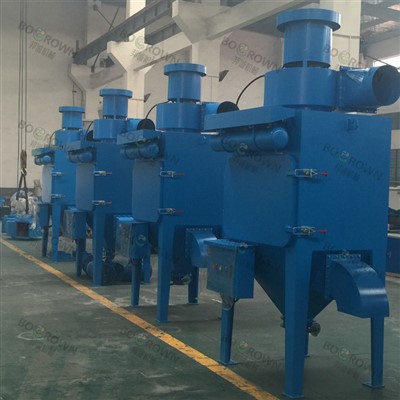
As a Feeder Machine supplier, I’ve got a wide range of products that are suitable for different applications. Whether you need a small – scale Feeder Machine for a workshop or a large – scale industrial one, I can provide you with the right solution.
Single-shaft Shredder If you’re interested in learning more about our Feeder Machines and how we can help you implement remote – control feeding, don’t hesitate to reach out. We can have a chat about your specific needs and come up with a customized plan for you. Let’s make your feeding operations more efficient and hassle – free!
References
- Industrial Automation Handbook
- Feeder Machine Manufacturer’s Manuals
- Wireless Communication Technology for Industrial Applications
ZJG BC Machinery Co., Ltd.
As one of the most professional feeder machine manufacturers and suppliers in China, we’re featured by quality products and good price. Please rest assured to buy cost-efficient feeder machine for sale here from our factory. Contact us for custom service and OEM service.
Address: No.8 Lexi Road, Leyu Town, Zhangjiagang City
E-mail: sales@bcextruder.com
WebSite: https://www.bcextruder.com/
