Selecting the appropriate depressant for a lab flotation machine is a crucial step in optimizing the flotation process, especially for achieving high – grade concentrates and efficient mineral separation. As a supplier of lab flotation machines, I’ve witnessed firsthand how the right depressant can significantly enhance the performance of these machines. In this blog, I’ll share some insights on how to select the most suitable depressant for your lab flotation needs. Lab Flotation Machine

Understanding Depressants in Flotation
Depressants are chemical reagents used in the flotation process to prevent certain minerals from attaching to air bubbles, thereby allowing other minerals to be selectively floated and separated. They work by adsorbing onto the surface of the unwanted minerals, changing their surface properties and making them hydrophilic. This reduces their ability to attach to the hydrophobic air bubbles and keeps them in the pulp, while the desired minerals float to the surface.
Factors to Consider When Selecting a Depressant
1. Mineral Composition
The first and most important factor is the mineral composition of the ore. Different minerals have different surface properties, and thus require different depressants. For example, in the flotation of copper – sulfide ores, pyrite is often an unwanted mineral. Sodium cyanide or sodium metabisulfite can be used as depressants for pyrite. Sodium cyanide forms a stable layer on the pyrite surface, preventing it from being activated by copper ions and thus suppressing its flotation. On the other hand, sodium metabisulfite works by reducing the oxidation potential of the pulp, which also inhibits the flotation of pyrite.
If you are dealing with a complex ore containing multiple minerals, you need to understand the interaction between different minerals and the depressants. Some minerals may be affected by the same depressant in different ways, or they may interact with each other in the presence of a depressant. For instance, in the flotation of lead – zinc ores, zinc minerals are usually depressed while lead minerals are floated. Zinc sulfate and sodium cyanide are commonly used as depressants for zinc minerals. However, the presence of iron minerals in the ore can complicate the process, as iron ions may react with the depressants and reduce their effectiveness.
2. Flotation Conditions
The conditions in the flotation cell, such as pH, temperature, and pulp density, can also affect the performance of depressants. pH is a particularly important factor, as it can influence the surface charge of minerals and the solubility of depressants. For example, in the flotation of molybdenum ores, sodium silicate is often used as a depressant for gangue minerals. The effectiveness of sodium silicate is highly dependent on the pH of the pulp. At a low pH, sodium silicate may not be able to adsorb effectively on the gangue mineral surface. At a high pH, it can form a stable layer on the gangue surface, preventing its flotation.
Temperature can also have an impact on the performance of depressants. In general, an increase in temperature can enhance the chemical reactions between the depressants and the mineral surfaces, but it can also increase the solubility of some depressants, reducing their effectiveness at the mineral – water interface. Pulp density affects the contact between the minerals, depressants, and air bubbles. A higher pulp density may require a higher dosage of depressants to achieve the same level of depression.
3. Compatibility with Other Reagents
Depressants need to be compatible with other reagents used in the flotation process, such as collectors and frothers. Some depressants may react with collectors, reducing their ability to adsorb on the desired minerals. For example, if a strong oxidizing depressant is used in the presence of a sulfhydryl – based collector, the collector may be oxidized and lose its collecting power.
Frothers can also interact with depressants. Some frothers may enhance the dispersion of depressants in the pulp, while others may reduce their effectiveness. It is important to test the compatibility of different reagents in the lab before using them in large – scale operations.
4. Cost and Availability
Cost is always a consideration in any industrial process. The cost of depressants can vary widely depending on their chemical composition, production process, and market demand. Some high – performance depressants may be expensive, which can increase the overall cost of the flotation process. However, it is important to balance the cost with the performance. A cheaper depressant may not be as effective, leading to lower recovery and grade of the concentrate, which can ultimately result in higher costs in the long run.
Availability is another important factor. Some depressants may be difficult to obtain in certain regions or may be subject to strict regulations. It is advisable to choose depressants that are readily available and comply with local regulations.
Testing and Evaluation
Once you have considered the factors mentioned above, the next step is to conduct tests in the lab using your flotation machine. Here are the general steps for testing and evaluating depressants:
1. Sample Preparation
Prepare representative ore samples for testing. The samples should be crushed and ground to the appropriate particle size, which is usually determined by the liberation characteristics of the minerals in the ore.
2. Reagent Addition
Add different types and dosages of depressants to the pulp, along with the appropriate collectors and frothers. The order of reagent addition can also affect the flotation performance. In general, depressants are added first to condition the pulp and depress the unwanted minerals, followed by collectors and frothers.
3. Flotation Testing
Conduct flotation tests using your lab flotation machine. Control the flotation conditions, such as pH, temperature, and agitation speed, to ensure consistent results. Collect the floated and non – floated products separately and analyze their mineral composition and grade.
4. Data Analysis and Evaluation
Analyze the data obtained from the flotation tests, including the recovery and grade of the concentrate, the selectivity of the flotation process, and the behavior of different minerals. Compare the performance of different depressants and select the one that provides the best results in terms of recovery, grade, and selectivity.
Conclusion
Selecting the appropriate depressant for a lab flotation machine is a complex process that requires a thorough understanding of the mineral composition, flotation conditions, compatibility with other reagents, and cost – effectiveness. By considering these factors and conducting systematic testing in the lab, you can find the most suitable depressant for your specific flotation needs.
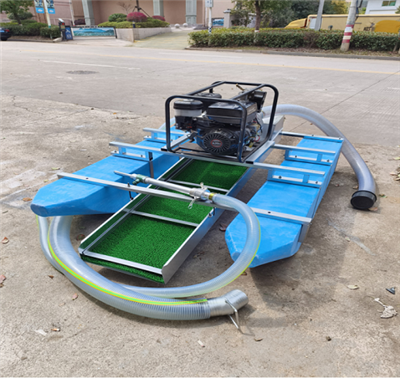
If you are interested in learning more about lab flotation machines or need assistance in selecting the right depressants for your flotation process, feel free to contact us. Our team of experts is always ready to provide you with professional advice and support to help you optimize your flotation operations.
Electrostatic Separator References
- Fuerstenau, D. W., & Arbiter, N. (1971). Flotation: A Symposium. American Institute of Mining, Metallurgical, and Petroleum Engineers.
- Somasundaran, P., & Moudgil, B. M. (1988). Adsorption from Solutions at the Solid/Liquid Interface. Plenum Press.
- Wills, B. A., & Napier – Munn, T. J. (2006). Wills’ Mineral Processing Technology: An Introduction to the Practical Aspects of Ore Treatment and Mineral Recovery. Butterworth – Heinemann.
Jiangxi Well-tech International Mining Equipment Co., Ltd.
Jiangxi Well-tech International Mining Equipment Co., Ltd. is one of the most professional lab flotation machine manufacturers and suppliers in China, featured by quality products and good service. Please rest assured to wholesale customized lab flotation machine at competitive price from our factory.
Address: Guzhang Industrial Park of Shicheng County, Ganzhou City, Jiangxi Province, China
E-mail: mily@benefication.com
WebSite: https://www.cn-welltech.com/
