Hey there! I’m a supplier of Vertical Machining Centers, and I often get asked about the difference between a vertical machining center with a rotary table and one without. So, I thought I’d share my insights on this topic in this blog post. Vertical Machining Centers
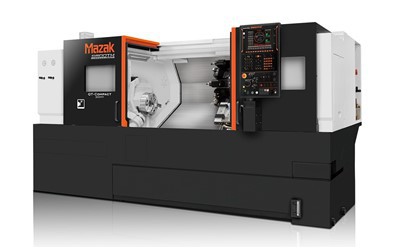
Let’s start with the basics. A vertical machining center is a type of machine tool that uses a spindle to rotate a cutting tool and remove material from a workpiece. The spindle is oriented vertically, which means that the cutting tool moves up and down to cut the workpiece. This type of machine is commonly used in manufacturing processes to produce parts with complex shapes and features.
Now, let’s talk about the rotary table. A rotary table is an accessory that can be added to a vertical machining center. It allows the workpiece to be rotated around a central axis, which enables the cutting tool to access different sides of the workpiece without having to reposition it. This can save a lot of time and improve the accuracy of the machining process.
So, what are the main differences between a vertical machining center with a rotary table and one without? Let’s take a closer look.
1. Flexibility
One of the biggest advantages of a vertical machining center with a rotary table is its flexibility. With a rotary table, you can machine multiple sides of a workpiece without having to reposition it. This means that you can create more complex parts with fewer setups, which can save time and reduce the risk of errors.
For example, let’s say you need to machine a part with a hole on one side and a slot on the other side. Without a rotary table, you would have to reposition the workpiece after machining the hole to machine the slot. This can be time-consuming and can lead to misalignments and errors. With a rotary table, you can simply rotate the workpiece to the desired position and machine the slot without having to reposition it.
2. Precision
Another advantage of a vertical machining center with a rotary table is its precision. The rotary table allows you to accurately position the workpiece, which can improve the accuracy of the machining process. This is especially important when machining parts with tight tolerances.
For example, let’s say you need to machine a part with a hole that has a diameter of 10mm with a tolerance of +/- 0.01mm. Without a rotary table, it can be difficult to accurately position the workpiece to machine the hole. With a rotary table, you can use the table’s indexing feature to accurately position the workpiece and machine the hole with the required precision.
3. Productivity
A vertical machining center with a rotary table can also improve productivity. By reducing the number of setups required to machine a part, you can save time and increase the throughput of your machining process. This can be especially beneficial for high-volume production runs.
For example, let’s say you need to machine 100 parts with a hole on one side and a slot on the other side. Without a rotary table, you would have to reposition the workpiece 100 times to machine the slot after machining the hole. This can be time-consuming and can reduce the productivity of your machining process. With a rotary table, you can simply rotate the workpiece to the desired position and machine the slot without having to reposition it. This can save a lot of time and increase the productivity of your machining process.
4. Cost
Of course, there is a cost associated with adding a rotary table to a vertical machining center. The cost of a rotary table can vary depending on the size and features of the table. However, the benefits of using a rotary table can often outweigh the cost, especially if you need to machine complex parts with high precision.
5. Applications
A vertical machining center with a rotary table is ideal for a wide range of applications, including:
- Milling: You can use a rotary table to mill complex shapes and features on a workpiece.
- Drilling: You can use a rotary table to drill holes at different angles on a workpiece.
- Tapping: You can use a rotary table to tap threads on a workpiece.
- Engraving: You can use a rotary table to engrave text and images on a workpiece.
A vertical machining center without a rotary table is still a versatile machine tool that can be used for a wide range of applications. However, it may not be as flexible or precise as a vertical machining center with a rotary table.
So, which one should you choose? It depends on your specific needs and requirements. If you need to machine complex parts with high precision and productivity, a vertical machining center with a rotary table may be the best option for you. If you only need to machine simple parts with basic features, a vertical machining center without a rotary table may be sufficient.
Coordinate Measuring Machine If you’re interested in learning more about vertical machining centers with or without rotary tables, or if you’re looking to purchase a vertical machining center for your manufacturing process, please don’t hesitate to contact me. I’d be happy to discuss your needs and help you find the right machine for your application.
References
- "Vertical Machining Centers: A Comprehensive Guide." Modern Machine Shop.
- "Rotary Tables: How They Work and Why You Need One." CNC Zone.
- "The Benefits of Using a Rotary Table on a Vertical Machining Center." Manufacturing.net.
Hermens Industrial Co., Ltd.
As one of the most professional vertical machining centers enterprises in China, we’re featured by quality products and low price. Please rest assured to buy cheap vertical machining centers in stock here and get quotation from our factory. We also accept customized orders.
Address: 9/59 Moo 14, Rachathewa , Bang Phli , Samut Prakan Province 10540
E-mail: liu_jincheng@hzhemen.com
WebSite: https://www.hermensindustrial.com/
